
Mouse Control Methods for East Sussex Businesses
For businesses across East Sussex, mice infestations represent a serious threat to reputation, regulatory compliance, and operational continuity. These persistent rodents can contaminate food products, damage property, spread diseases, and drive customers away. Understanding effective mouse control methods is essential for maintaining a hygienic, professional business environment. ProPest Oxford Ltd offers specialized commercial mouse control solutions designed to protect East Sussex businesses from the costly consequences of rodent activity.
Commercial properties face unique challenges when dealing with mice. Unlike residential settings, businesses must contend with larger square footage, multiple entry points, health and safety regulations, and the potential for significant financial losses. This comprehensive guide explores the most effective mouse control methods available to East Sussex businesses, from prevention strategies to professional intervention.
Identifying Mouse Activity in Commercial Premises
Early detection is crucial for effective mouse control. Businesses should establish regular inspection protocols to identify signs of rodent activity before a minor issue escalates into a full-scale infestation. Mouse droppings are typically the first indicator, appearing as small, dark pellets approximately 3-8mm in length concentrated near food sources, along walls, or in storage areas.

Other telltale signs include gnaw marks on packaging, furniture, or electrical cables. Mice have continuously growing teeth and must gnaw constantly to keep them manageable. Fresh gnaw marks appear lighter in color, while older damage darkens over time. Greasy rub marks along walls and skirting boards indicate regular mouse pathways, created by oils in their fur transferring to surfaces.
Unusual noises, particularly scratching or scurrying sounds in walls, ceilings, or under floors during evening hours, suggest active mouse populations. Mice are nocturnal creatures, so nighttime activity is most common. Additionally, a distinctive musky odor may develop in areas with significant mouse activity, particularly in enclosed spaces with poor ventilation.
East Sussex businesses should also look for nesting materials such as shredded paper, fabric, or insulation gathered in secluded areas. Common nesting sites include behind appliances, inside wall voids, in storage rooms, and within false ceilings. Regular staff training on identifying these signs enables faster response times and more effective control measures.
Professional Inspection and Assessment Services
Professional pest control companies like ProPest Oxford Ltd conduct thorough inspections to determine the extent of mouse infestations and identify contributing factors. These assessments go beyond simply locating mice, examining the entire business premises to understand how rodents are entering, what attracts them, and how they move throughout the building.

During a professional inspection, trained technicians examine all potential entry points, including gaps around pipes, ventilation systems, loading dock areas, damaged weather stripping, and cracks in foundations. Mice can squeeze through openings as small as 6mm, making comprehensive building surveys essential. Inspectors use specialized equipment including thermal imaging cameras, moisture meters, and endoscopic cameras to detect hidden mouse activity.
The assessment process includes evaluating sanitation practices, food storage methods, waste management procedures, and structural vulnerabilities. Inspectors create detailed reports documenting all findings, including photographic evidence, activity levels, and recommendations for both immediate treatment and long-term prevention.
For East Sussex businesses, professional assessments prove particularly valuable because they’re tailored to specific industry requirements. Restaurants face different challenges than warehouses, retail establishments have distinct needs from office buildings, and healthcare facilities require approaches that differ from manufacturing plants. ProPest Oxford Ltd provides industry-specific assessments that address regulatory compliance alongside effective mouse control.
Integrated Pest Management Strategies
Modern commercial mouse control relies on Integrated Pest Management (IPM), a comprehensive approach combining multiple tactics to achieve long-term results with minimal environmental impact. IPM prioritizes prevention, monitoring, and targeted interventions rather than relying solely on rodenticides.

The foundation of any IPM program is exclusion—physically preventing mice from entering business premises. This involves sealing entry points with appropriate materials such as steel wool, metal flashing, concrete, or specialized expanding foam. Door sweeps, weather stripping, and air curtains prevent access through frequently used entrances. Proper exclusion work provides permanent solutions that prevent future infestations.
Sanitation improvements form another critical IPM component. Businesses must eliminate food sources by storing products in rodent-proof containers, maintaining rigorous cleaning schedules, properly managing waste, and addressing spillages immediately. Even small amounts of accessible food can sustain mouse populations indefinitely.
Environmental modifications reduce harborage opportunities by eliminating clutter, maintaining organized storage areas, trimming vegetation away from buildings, and removing potential nesting materials. These habitat modifications make business premises less attractive to mice, encouraging them to relocate elsewhere.
Monitoring systems including strategically placed traps and bait stations enable ongoing surveillance of mouse activity. Regular monitoring identifies new infestations quickly, allowing rapid response before populations establish themselves. Digital monitoring systems provide real-time alerts and detailed activity reports, helping businesses maintain comprehensive pest management records for regulatory compliance.
Trapping and Removal Techniques
Physical trapping remains one of the most effective mouse control methods, particularly for businesses where chemical rodenticides present concerns. Modern trapping programs utilize various trap types strategically placed along established mouse pathways to maximize capture rates while ensuring safety for staff and customers.

Snap traps represent the traditional mechanical option, offering instant kills when properly deployed. Professional pest control technicians position these traps perpendicular to walls, as mice typically travel along edges rather than across open spaces. The use of multiple traps increases effectiveness, as mice exhibit neophobia—fear of new objects—and may initially avoid single traps.
Live capture traps provide humane alternatives for businesses preferring non-lethal methods. These devices trap mice without harming them, allowing for release away from commercial premises. However, live trapping requires frequent monitoring and raises questions about appropriate release locations, as mice typically return if released too close to capture sites.
Electronic traps deliver quick, humane kills using high-voltage shocks. These devices contain captured mice within enclosed chambers, making them more aesthetically suitable for customer-facing environments. Many electronic traps feature indicators that signal successful captures, streamlining monitoring procedures for busy commercial operations.
Multi-catch traps capture multiple mice without requiring immediate servicing, proving particularly effective for businesses with significant infestations. These devices work especially well in areas with limited public access such as storage rooms, utility spaces, and back-of-house locations.
ProPest Oxford Ltd technicians determine optimal trap placement through careful analysis of mouse behavior patterns, environmental conditions, and business operational requirements, ensuring maximum effectiveness while maintaining discrete, professional appearances.
Chemical Control and Rodenticide Applications
When infestations require chemical intervention, professional-grade rodenticides offer powerful solutions. However, their use demands expertise, as improper application creates health hazards, environmental risks, and potential secondary poisoning of non-target species. Licensed pest control professionals understand appropriate product selection, dosage, placement, and safety protocols.
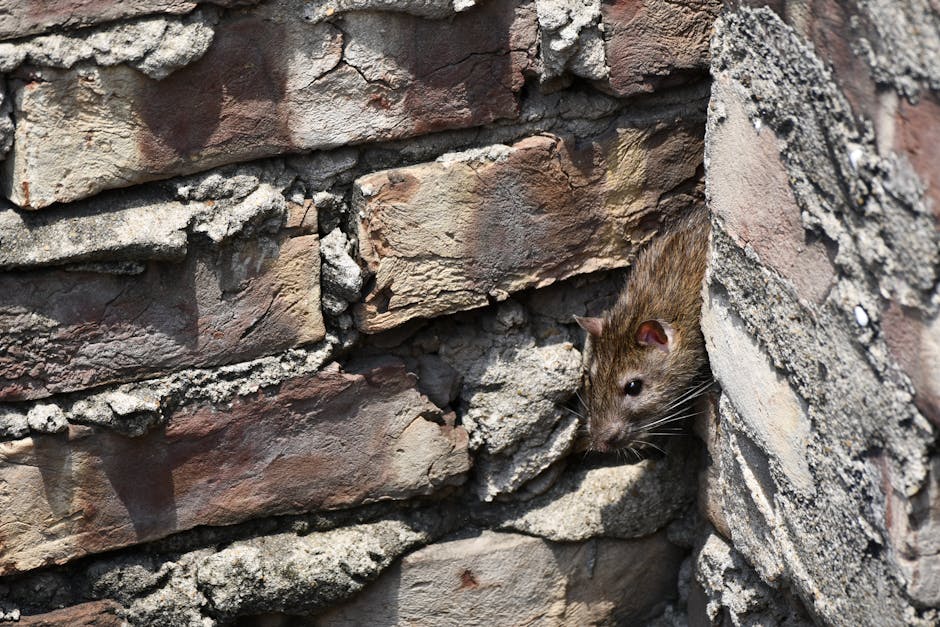
Anticoagulant rodenticides remain the most commonly used chemical control agents. These products interfere with blood clotting mechanisms, causing internal hemorrhaging over several days. Second-generation anticoagulants require only single feedings to achieve lethal doses, making them highly effective against mouse populations. First-generation products require multiple feedings but present lower risks of secondary poisoning.
Tamper-resistant bait stations protect rodenticides from accidental access by children, pets, and non-target wildlife while allowing mice to enter and consume bait. These secured stations meet regulatory requirements for commercial applications and enable safe deployment in various business environments. Professional pest controllers strategically position bait stations along mouse pathways, anchoring them to prevent tampering or removal.
Non-anticoagulant rodenticides including bromethalin and cholecalciferol provide alternatives where resistance to traditional products has developed. These chemicals work through different mechanisms, offering solutions for stubborn infestations. However, they require careful handling and extensive expertise to deploy safely and effectively.
East Sussex businesses operating in food service, healthcare, education, or hospitality sectors face particularly strict regulations regarding rodenticide use. ProPest Oxford Ltd ensures all chemical applications comply with industry-specific guidelines, environmental legislation, and health and safety requirements, maintaining detailed application records for audit purposes.
Prevention and Long-Term Management
Successful mouse control extends beyond elimination, requiring ongoing prevention strategies to maintain rodent-free environments. Businesses must adopt comprehensive management programs addressing the factors that attract and sustain mouse populations.
Regular building maintenance prevents structural deterioration that creates entry opportunities. Scheduled inspections of roofing, foundations, utility penetrations, and door seals identify vulnerabilities before mice exploit them. Prompt repairs to damaged areas maintain effective exclusion barriers.
Staff training programs ensure employees understand their roles in mouse prevention. Workers should recognize early warning signs, follow proper food storage protocols, maintain cleanliness standards, and report concerns immediately. Creating a culture of pest awareness throughout organizations significantly reduces infestation risks.
Waste management procedures require particular attention, as improperly stored refuse attracts mice from considerable distances. Businesses should use rodent-proof waste containers, maintain regular collection schedules, keep bins away from building exteriors, and clean waste storage areas frequently to eliminate food residues and odors.
Landscaping practices influence mouse activity around commercial premises. Keeping vegetation trimmed, removing debris piles, eliminating standing water, and maintaining clear perimeters around buildings reduce harborage opportunities near entry points. Gravel or stone barriers along foundations discourage burrowing and nesting.
Documentation and record-keeping support long-term management success. Businesses should maintain logs of inspections, treatments, repairs, and monitoring results. These records demonstrate due diligence for regulatory compliance, identify patterns requiring attention, and measure program effectiveness over time.
Partnering with professional pest control services like ProPest Oxford Ltd provides ongoing support through regular monitoring visits, seasonal treatments, and rapid response to emerging issues. Service agreements ensure consistent protection, allowing businesses to focus on core operations while pest management experts maintain rodent-free environments.
Choosing Professional Mouse Control Services
Selecting the right pest control partner significantly impacts treatment outcomes and business continuity. East Sussex businesses should evaluate providers based on several critical factors including licensing and certification, industry experience, response times, treatment methodologies, and customer service quality.
ProPest Oxford Ltd offers specialized commercial mouse control services throughout East Sussex, bringing extensive expertise to diverse business environments. Their technicians hold relevant certifications and undergo continuous training in the latest control methods, ensuring treatments meet current industry standards and regulatory requirements.
Same-day appointments and emergency call-out services address urgent situations before they escalate into major problems. Swift professional response minimizes business disruption, protects reputation, and prevents the exponential population growth that characterizes mouse infestations. A single breeding pair can produce 60 offspring annually, making rapid intervention essential.
Comprehensive treatment programs combine immediate population reduction with long-term prevention strategies. Rather than providing one-time treatments that offer temporary relief, professional services implement sustainable solutions addressing root causes. This approach delivers better value and more reliable results than reactive, crisis-driven interventions.
Transparent communication throughout the service process helps businesses understand treatment plans, expected outcomes, and their own responsibilities in maintaining rodent-free premises. Detailed reporting provides documentation for health inspections, insurance purposes, and internal quality assurance programs.
For businesses across East Sussex facing mouse control challenges, ProPest Oxford Ltd delivers proven solutions tailored to specific operational requirements, industry regulations, and facility characteristics, protecting commercial interests through expert rodent management.
Conclusion
Effective mouse control for East Sussex businesses requires comprehensive strategies combining professional expertise, proven methodologies, and ongoing vigilance. From initial detection through long-term prevention, every aspect of rodent management contributes to maintaining hygienic, compliant, and professional commercial environments.
The financial and reputational costs of mouse infestations far exceed investment in professional pest control services. Damaged products, regulatory violations, customer complaints, and business interruptions create consequences that threaten commercial viability. Proactive mouse control protects these critical interests while ensuring safe, pleasant environments for staff and customers.
By partnering with experienced professionals like ProPest Oxford Ltd, businesses access specialized knowledge, advanced treatment options, and reliable support that keep commercial premises rodent-free. Whether facing active infestations or implementing preventive measures, professional mouse control services deliver results that safeguard business success across East Sussex.