
Safe Pest Control Around Children and Pets
When it comes to protecting your home from unwanted pests, the safety of your children and pets must remain the top priority. ProPest Oxford Ltd understands that families across Oxfordshire and East Sussex need effective pest control solutions that eliminate rats, mice, wasps, bed bugs, and other pests without compromising the health of their loved ones. This comprehensive guide explores how to maintain a pest-free environment while keeping your home safe for the most vulnerable members of your household.
Understanding the Risks of Traditional Pest Control
Many conventional pest control methods rely on chemical pesticides that can pose significant health risks to children and pets. Young children are particularly vulnerable because they frequently touch surfaces, put their hands in their mouths, and spend considerable time on floors where pesticides may settle. Pets face similar exposure risks through their grooming habits, proximity to treated areas, and smaller body size, which means even small amounts of toxins can have magnified effects.

Common symptoms of pesticide exposure in children include headaches, dizziness, nausea, respiratory issues, and skin irritation. In severe cases, exposure can lead to more serious neurological problems. Pets may exhibit symptoms such as excessive drooling, vomiting, tremors, seizures, or difficulty breathing. Understanding these risks highlights why choosing safe pest control methods is not just preferable—it’s essential.
The good news is that modern pest control has evolved significantly. Professional services now offer numerous child-safe and pet-friendly approaches that effectively eliminate pests while minimizing health risks. The key lies in selecting the right methods, working with qualified professionals, and following proper safety protocols.
Integrated Pest Management: The Safest Approach
Integrated Pest Management (IPM) represents the gold standard for safe pest control around children and pets. This comprehensive strategy prioritizes non-chemical methods and uses pesticides only as a last resort, selecting the least toxic options when chemicals become necessary.

IPM begins with thorough inspection and identification of pest problems. Professional technicians assess your property to determine what pests are present, how they’re entering your home, and what conditions are attracting them. This detective work forms the foundation of an effective, safe treatment plan.
The next phase focuses on exclusion and prevention. This includes sealing entry points, repairing cracks and gaps, installing door sweeps, and addressing moisture issues that attract pests. These physical barriers keep pests out without introducing any chemicals into your environment. For families with children and pets, this mechanical approach offers peace of mind alongside effectiveness.
Sanitation improvements form another crucial IPM component. Proper food storage, regular cleaning, eliminating standing water, and managing waste all reduce pest attractants naturally. Teaching children to clean up spills promptly and store snacks properly becomes part of your family’s contribution to pest prevention.
When treatment becomes necessary, IPM employs the least toxic methods first. This might include baits placed in tamper-resistant stations inaccessible to children and pets, targeted gel applications in hidden areas, or heat treatments for bed bugs that use no chemicals whatsoever. Similar to how maintaining physical health requires balanced approaches—as highlighted in resources like CDC physical activity guidance—effective pest management combines multiple strategies for optimal results.
Child-Safe and Pet-Friendly Treatment Options
Professional pest control companies now offer numerous treatment options specifically designed with family safety in mind. Understanding these alternatives helps you make informed decisions about protecting your home.

Heat treatments have emerged as an excellent option for bed bug control. This method raises room temperatures to levels that kill bed bugs and their eggs without using any chemicals. Children and pets simply need to vacate the treated area during the process, and can safely return once temperatures normalize.
Bait stations provide secure pest control for rodents and insects. These enclosed devices allow pests to access bait while preventing children and pets from reaching the contents. Professional-grade stations feature locks and are strategically placed in areas inaccessible to non-target species.
Botanical and biological pesticides derived from natural sources offer lower toxicity profiles than synthetic chemicals. Products containing pyrethrins from chrysanthemum flowers, diatomaceous earth from fossilized algae, or beneficial bacteria target pests while posing minimal risks to mammals. However, “natural” doesn’t automatically mean “completely safe,” so professional application and proper precautions remain important.
Targeted applications minimize exposure by treating only specific areas where pests harbor, rather than broadcasting chemicals throughout your home. Crack-and-crevice treatments, void injections, and perimeter-only applications keep pesticides away from living spaces where children and pets spend time.
Low-toxicity formulations specifically approved for use around children and pets have undergone rigorous testing. These products balance effectiveness against pests with safety profiles suitable for family environments. Professional technicians can explain exactly what products they use, their safety ratings, and proper precautions for your household.
Essential Safety Protocols During Treatment
Even with the safest pest control methods, following proper protocols protects your family. Professional pest control services implement strict safety measures, but homeowners play an equally important role in ensuring protection.
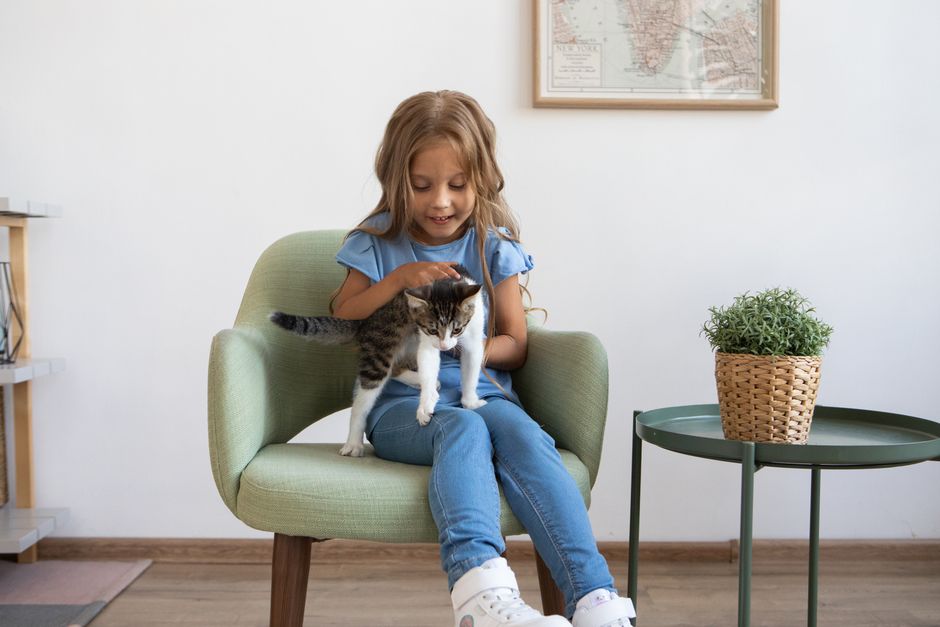
Before treatment begins, communicate clearly with your pest control provider about all household members, including children’s ages and any pets. Mention if anyone has allergies, asthma, or chemical sensitivities. This information helps technicians select the most appropriate products and methods for your situation.
Prepare your home according to the technician’s instructions. This typically includes removing children’s toys from treatment areas, storing pet food and water bowls, covering fish tanks, and relocating caged pets to untreated rooms. Washing bedding, vacuuming thoroughly, and decluttering allows for more effective treatment with less product.
During treatment, keep children and pets completely away from work areas. If treatments require vacating the home, arrange to stay with family or friends for the recommended duration. Even with low-toxicity products, avoiding exposure during application represents the safest approach.
After treatment, follow all re-entry instructions precisely. Ventilate treated areas by opening windows before returning. Wipe down surfaces that children and pets contact frequently, even if the technician indicates this isn’t strictly necessary. When it comes to family safety, extra precaution never hurts.
Store any provided documentation about treatments, including product names, application sites, and safety data sheets. This information becomes invaluable if questions arise later or if medical professionals need details about potential exposure.
Prevention Strategies for Family-Safe Homes
The safest pest control is the treatment you never need to perform. Prevention strategies keep pests away without introducing any products into your environment, making them ideal for homes with children and pets.
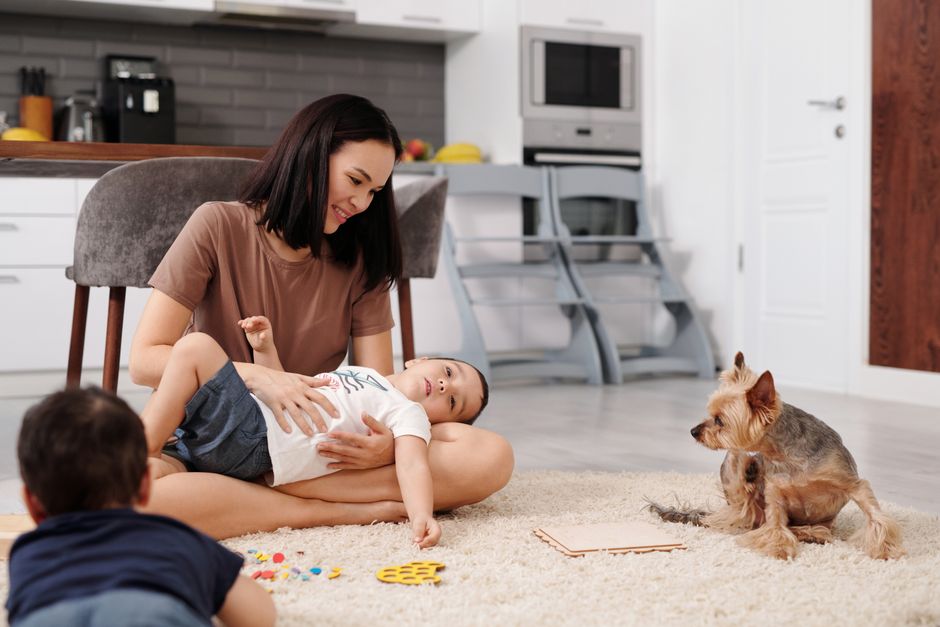
Establish consistent cleaning routines that eliminate food sources and nesting materials. Sweep and vacuum regularly, paying attention to areas under appliances and furniture. Store pantry items in sealed containers rather than original packaging. Clean up pet food promptly rather than leaving bowls out indefinitely. These simple habits dramatically reduce pest attractants.
Address moisture issues throughout your home. Fix leaky pipes, ensure proper ventilation in bathrooms and basements, and eliminate standing water around your property. Many pests require water to survive, so removing moisture sources forces them to seek resources elsewhere.
Maintain your home’s exterior to prevent pest entry. Seal cracks in foundations, install or repair window screens, add weatherstripping to doors, and trim vegetation away from your home’s perimeter. These physical barriers stop pests before they become indoor problems. If you’re dealing with a specific pest like a wasp nest, learning how to remove a wasp nest from your garden shed safely is a good preventative measure for outdoors.
Practice proper waste management. Use garbage cans with tight-fitting lids, take trash out regularly, and keep outdoor bins away from your home’s entrance. Compost bins should be properly maintained to avoid attracting rodents and insects. For broader commercial concerns, consider consulting “Mouse Control Methods for East Sussex Businesses” for relevant strategies.
Conduct regular inspections of your property. Check for signs of pest activity like droppings, gnaw marks, or unusual odors. Early detection allows for intervention before infestations become severe, often enabling treatment with minimal or no pesticide use. Just as regular health monitoring helps prevent serious conditions, consistent pest monitoring prevents major infestations. If you discover a larger pest issue, like a mouse infestation in an older property, you might find our guide on “How to Get Rid of Mice in an Old House” particularly helpful.
Working with Professional Pest Control Services
Professional pest control providers bring expertise, specialized equipment, and access to products unavailable to consumers. For families with children and pets, this professional approach offers significant advantages over DIY methods.
Qualified technicians understand pest biology, behavior, and the most effective control methods. They can identify pest species accurately, determine infestation severity, and develop targeted treatment plans. This precision means using only necessary products in appropriate amounts, minimizing exposure risks.
Professional services carry liability insurance and maintain proper licensing, providing accountability and recourse if problems arise. Reputable companies prioritize safety training for their staff and stay current with the latest low-toxicity treatment options.
When selecting a pest control provider, ask specific questions about their approach to child and pet safety. Inquire about their IPM practices, what products they use, and whether they offer organic or low-toxicity alternatives. Request safety data sheets for any chemicals they plan to apply.
ProPest Oxford Ltd specializes in family-safe pest control across Oxfordshire and East Sussex, offering same-day appointments and emergency call-outs when pest problems threaten your home’s safety and comfort. Professional services provide not just treatment but also education about preventing future infestations through safe, sustainable practices. If you’re a landlord, understanding Pest Control for Landlords in Oxfordshire can ensure tenant safety and property integrity.
Establish a relationship with a trusted pest control provider before emergencies arise. Regular inspections and preventive treatments keep pest populations under control, often eliminating the need for more aggressive interventions that carry higher risks. This proactive approach protects both your property and your family’s health.
Conclusion
Protecting your home from pests while ensuring the safety of children and pets requires thoughtful planning, proper methods, and professional expertise. Modern pest control offers numerous family-friendly options that effectively eliminate rats, mice, wasps, bed bugs, and other common pests without compromising health. By embracing Integrated Pest Management principles, choosing low-toxicity treatments, following safety protocols, prioritizing prevention, and working with qualified professionals, you can maintain a pest-free environment where your family thrives safely. The investment in safe pest control pays dividends in peace of mind, knowing that your home protects rather than endangers the loved ones who matter most.