
Fly Control for Commercial Kitchens
Maintaining effective fly control in commercial kitchens is not just a matter of hygiene—it’s a legal requirement and critical business necessity. For restaurants, hotels, catering facilities, and food processing operations across Oxfordshire and East Sussex, a single fly sighting can damage reputation, trigger health violations, and compromise food safety. Professional pest control services like ProPest Oxford Ltd understand the unique challenges commercial kitchens face and provide comprehensive solutions that protect both your business and your customers.
Flies in food preparation areas pose serious health risks. These pests carry pathogens that cause foodborne illnesses, including salmonella, E. coli, and listeria. A single housefly can carry over one million bacteria on its body, transferring these contaminants to food surfaces, equipment, and prepared meals. For commercial kitchen operators, implementing robust fly control measures isn’t optional—it’s fundamental to protecting public health and maintaining the standards required by environmental health officers.
Understanding Fly Threats in Food Service Environments
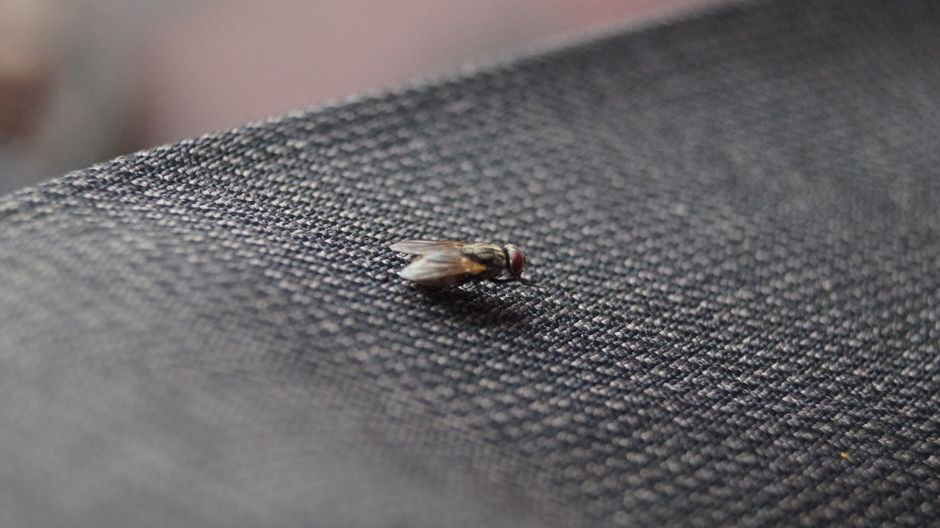
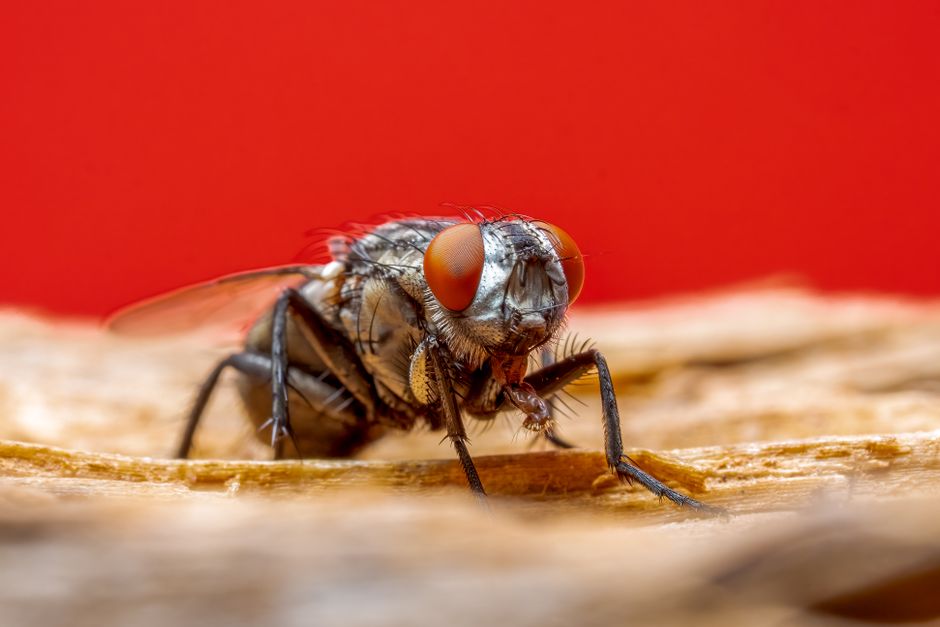
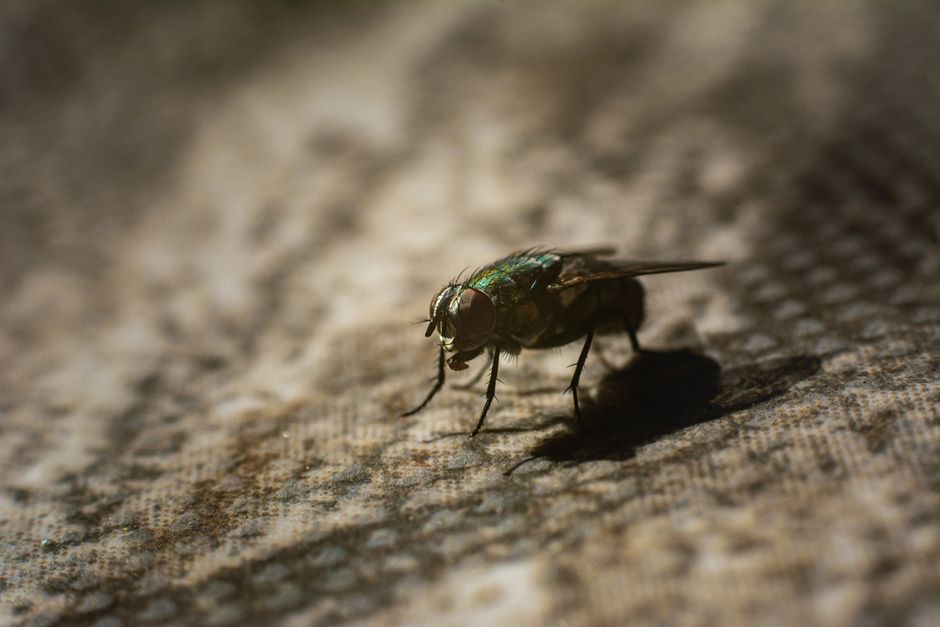
Commercial kitchens attract multiple fly species, each presenting distinct challenges. The common housefly remains the most frequent intruder, drawn by food odours, organic waste, and warm temperatures. Fruit flies breed rapidly in drains, fermenting produce, and beverage residues, with populations exploding within days if left unchecked. Drain flies emerge from organic buildup in plumbing systems, whilst blow flies indicate more serious sanitation issues, often associated with decomposing organic matter.
The lifecycle of flies makes commercial kitchens particularly vulnerable. Female flies can lay up to 500 eggs during their lifetime, depositing them in organic matter, rubbish bins, and hidden crevices. Within 24 hours, these eggs hatch into larvae that feed voraciously before pupating. Under optimal kitchen conditions—warmth, moisture, and abundant food sources—the complete lifecycle from egg to adult can occur in as little as seven days, creating persistent infestations that compound rapidly without intervention.
Flies don’t simply land on food; they regurgitate digestive fluids and defecate whilst feeding, contaminating everything they touch. Their habit of moving between waste areas and food preparation surfaces makes them efficient vectors for cross-contamination. A fly that lands on raw meat waste can transfer pathogens to salad ingredients or finished dishes within minutes, creating serious food safety hazards that could trigger outbreaks of foodborne illness.
Integrated Pest Management Strategies
Effective fly control requires an integrated pest management (IPM) approach that combines prevention, monitoring, and targeted treatments. ProPest Oxford Ltd implements comprehensive IPM programmes tailored to commercial kitchen operations, beginning with thorough inspections to identify breeding sites, entry points, and attractants. This systematic approach delivers long-term results whilst minimizing disruption to kitchen operations and reducing reliance on chemical treatments alone.
Prevention forms the foundation of successful fly control. Identifying and eliminating breeding sites proves far more effective than attempting to kill adult flies continuously. Commercial kitchens must maintain scrupulous cleaning schedules that address high-risk areas: drain systems, bin storage areas, beverage equipment, and hard-to-reach spaces behind cooking equipment. Organic matter accumulation in these locations creates ideal breeding environments that sustain recurring infestations.
Structural modifications complement sanitation efforts. Installing air curtains above entrance doors creates powerful downward airflows that prevent flies from entering whilst maintaining comfortable temperatures for staff and customers. Self-closing doors, properly sealed windows, and screened ventilation points reduce access opportunities. Door strips on delivery entrances and service areas provide additional barriers whilst allowing efficient traffic flow during busy service periods.
Professional-grade monitoring systems track fly activity and identify problem areas before infestations escalate. Electric fly killers (EFKs) strategically positioned throughout commercial kitchens attract and eliminate adult flies using ultraviolet light. However, placement requires expertise—positioning units too close to food preparation areas can attract flies toward sensitive zones, whilst incorrect installation may fail to intercept incoming pests. ProPest Oxford Ltd ensures optimal placement that maximizes capture rates without compromising food safety.
Sanitation and Waste Management Protocols
Rigorous sanitation protocols address the root causes of fly problems rather than merely treating symptoms. Commercial kitchens generate substantial organic waste that must be managed systematically to prevent fly breeding. Rubbish bins require secure, tight-fitting lids and should be emptied frequently—multiple times daily during peak seasons. Bin storage areas need regular deep cleaning with appropriate detergents that remove organic residues and eliminate odours that attract flies.
Drain maintenance proves critical for controlling fruit flies and drain flies. These species breed prolifically in the organic slime that accumulates in drain pipes, creating populations that emerge continuously into kitchen areas. Enzymatic drain treatments break down organic buildup, whilst regular mechanical cleaning removes stubborn deposits. Floor drains, particularly those beneath dishwashing stations and preparation sinks, require systematic attention as part of routine maintenance schedules.
Food storage practices significantly impact fly control success. Raw ingredients should be stored in sealed containers rather than left exposed, and damaged packaging must be replaced immediately. Produce deliveries require inspection for signs of fruit fly activity before being brought into storage areas. Overripe or damaged fruits and vegetables should be removed promptly, and beverage equipment, including soft drink lines and beer taps, needs regular cleaning to eliminate sugary residues that attract flies.
Staff training ensures consistent implementation of fly control measures. Kitchen teams must understand why protocols matter, recognizing that shortcuts compromise everyone’s efforts. Training should cover proper food storage techniques, waste disposal procedures, reporting fly sightings, and maintaining cleaning schedules. According to health and safety guidelines, which include sanitation standards as emphasized in general public health resources, maintaining these practices protects both customers and staff whilst ensuring regulatory compliance.
Professional Treatment Solutions
When prevention and sanitation measures require supplementation, professional pest control treatments provide targeted solutions. ProPest Oxford Ltd employs multiple treatment methods appropriate for commercial kitchen environments, ensuring food safety remains paramount throughout the process. Treatments are scheduled to minimize operational disruption, with emergency call-outs available when immediate intervention becomes necessary to address health violations or customer complaints.
Residual insecticide treatments applied to non-food contact surfaces create barriers that kill flies upon contact. These treatments target resting areas where flies congregate between feeding periods—around windows, light fittings, and upper wall surfaces. Professional-grade products provide extended efficacy whilst meeting stringent regulations governing pesticide use in food preparation environments. Application techniques ensure products remain effective without contaminating food surfaces or creating residues on equipment.
Space treatments using thermal fogging or ultra-low volume (ULV) application methods rapidly reduce adult fly populations during severe infestations. These treatments penetrate hard-to-reach areas, delivering insecticides as fine aerosols that contact flying insects throughout treated spaces. Timing such treatments outside food preparation hours ensures safety, whilst thorough ventilation before resuming operations removes any residual product from the environment.
Biological control methods offer environmentally sensitive alternatives for specific situations. Insect growth regulators (IGRs) disrupt fly development, preventing larvae from maturing into breeding adults. These products prove particularly effective for controlling drain-breeding species, breaking the reproduction cycle without broadly affecting other organisms. Combining IGRs with sanitation measures creates comprehensive control that addresses current infestations whilst preventing future generations.
Monitoring and Documentation Requirements
Regulatory compliance requires documented evidence of pest control efforts. Environmental health officers expect commercial kitchens to maintain detailed records of monitoring, treatments, and corrective actions taken in response to pest activity. ProPest Oxford Ltd provides comprehensive documentation services that satisfy regulatory requirements whilst helping kitchen managers track effectiveness and identify trends requiring attention.

Regular inspections form the backbone of effective monitoring programmes. Professional pest control technicians conduct systematic assessments of commercial kitchens, checking trap catches, inspecting breeding sites, and evaluating sanitation conditions. These inspections occur on scheduled intervals—typically monthly or quarterly—with findings documented in detailed reports that outline current conditions, treatments applied, and recommendations for improving control measures.
Trending analysis reveals patterns that inform strategic improvements. By tracking fly activity over time, pest control professionals identify seasonal variations, problem areas requiring enhanced attention, and opportunities to optimize treatment strategies. This data-driven approach ensures resources focus on high-priority concerns whilst demonstrating due diligence to regulatory authorities and customers who demand evidence of effective pest management.
Digital monitoring systems enhance traditional methods by providing real-time data on fly activity. Electronic fly units equipped with data logging capabilities track catch rates automatically, alerting managers when activity exceeds predetermined thresholds. These systems integrate with broader facility management platforms, creating comprehensive records that support continuous improvement initiatives and demonstrate compliance with food safety management systems.
Regulatory Compliance and Industry Standards
Commercial kitchens operate under strict regulatory frameworks that mandate effective pest control. The Food Safety Act 1990 and Food Hygiene Regulations 2006 establish legal requirements for preventing pest contamination in food businesses. Environmental health officers conduct inspections under these regulations, with fly infestations potentially triggering enforcement actions ranging from improvement notices to prosecution and closure orders in severe cases.
Food safety management systems, including HACCP (Hazard Analysis and Critical Control Points), incorporate pest control as a critical control point. Commercial kitchens must demonstrate effective monitoring, have documented procedures for addressing pest issues, and maintain records proving compliance. Professional pest control partnerships provide the expertise and documentation necessary to satisfy these requirements whilst ensuring continuous improvement in pest management effectiveness.
Industry accreditation schemes recognize excellence in pest control standards. Organizations such as the British Pest Control Association (BPCA) establish professional standards that member companies must meet, ensuring services delivered to commercial kitchens reflect current best practices. Choosing accredited pest control providers demonstrates commitment to quality and provides assurance that treatments meet industry-recognized standards, supporting broader quality management objectives.
Customer expectations increasingly demand transparency regarding pest control measures. Chain restaurants, hotel brands, and food service contractors often require detailed reporting on pest activity and control measures at individual locations. Third-party auditors assess pest management systems as part of supplier approval processes, with effective fly control being a fundamental requirement for maintaining commercial relationships and protecting brand reputation across the food service industry.
Conclusion
Fly control in commercial kitchens demands comprehensive, professionally managed approaches that integrate prevention, monitoring, and treatment strategies. The challenges facing restaurants, hotels, and catering operations across Oxfordshire and East Sussex require expertise that combines technical knowledge with practical understanding of commercial kitchen operations. ProPest Oxford Ltd delivers tailored solutions that protect food safety, ensure regulatory compliance, and preserve business reputation through effective fly management.
Success requires commitment to rigorous sanitation protocols, strategic implementation of physical barriers and monitoring systems, and professional treatment when infestations develop. By partnering with experienced pest control providers who offer same-day appointments and emergency call-outs, commercial kitchen operators ensure rapid response to fly problems before they escalate into serious food safety incidents or regulatory violations. Long-term pest prevention programmes provide ongoing protection that supports operational excellence and customer confidence.
Investing in comprehensive fly control protects more than just food safety—it safeguards your business reputation, employee morale, and customer satisfaction. For commercial kitchens committed to maintaining the highest standards, professional pest management isn’t an expense; it’s essential infrastructure that supports every aspect of successful food service operations.