
How to Deter Foxes From Your Garden in the Uk
Foxes have become an increasingly common sight in UK gardens, particularly in urban and suburban areas. While these animals can be fascinating to observe, they often cause significant problems for homeowners and businesses. From digging up lawns to scattering rubbish and creating unpleasant odours, fox activity can turn a peaceful garden into a frustrating maintenance challenge. Understanding effective deterrent methods is essential for protecting your outdoor space while dealing with these intelligent and adaptable creatures humanely.
ProPest Oxford Ltd provides professional pest control services across Oxfordshire and East Sussex, helping homeowners, landlords, and businesses manage fox problems alongside other pest issues. This comprehensive guide explores proven strategies to keep foxes away from your garden and maintain a peaceful outdoor environment.
Understanding Fox Behaviour in UK Gardens
Before implementing deterrent strategies, it’s important to understand why foxes visit gardens in the first place. Urban foxes have adapted remarkably well to human environments, finding gardens particularly attractive for several reasons.

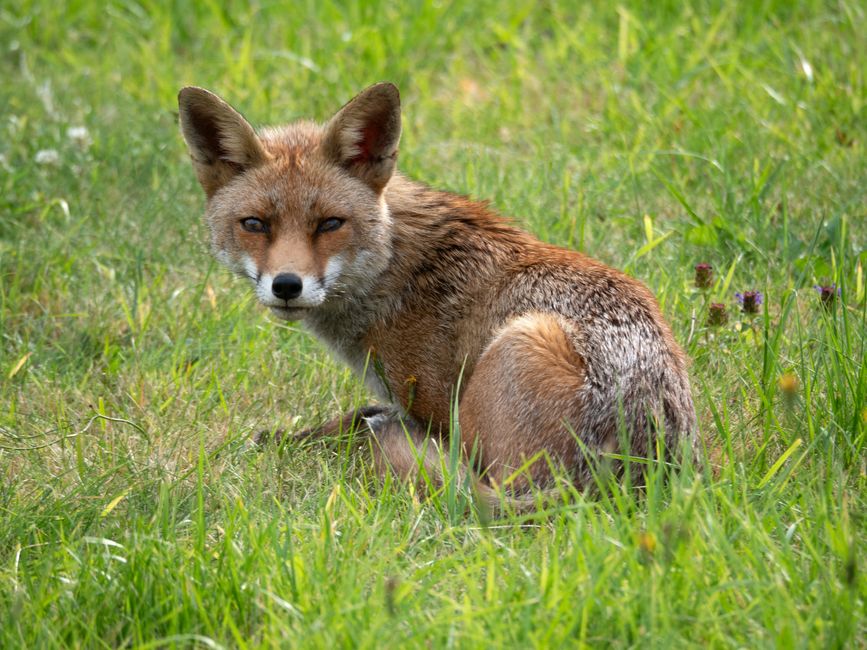
Foxes are primarily nocturnal creatures, though you may occasionally spot them during daylight hours, especially during breeding season or when feeding cubs. They’re opportunistic feeders with an excellent sense of smell, capable of detecting food sources from considerable distances. Gardens provide multiple attractions including accessible food, shelter, and safe denning sites for raising young.
Common attractants include unsecured rubbish bins, compost heaps containing food waste, pet food left outdoors, fallen fruit, and accessible areas beneath sheds or decking. Foxes also use gardens as territorial markers, which explains the strong-smelling urine and faeces often found on lawns, patios, and garden furniture.
The UK fox population has remained relatively stable, but urbanisation has concentrated these animals in residential areas. A single fox territory can cover several gardens, meaning the fox visiting your property likely considers it part of a larger home range. This territorial behaviour means that simply scaring away one fox won’t necessarily solve the problem permanently, as another may take its place unless you address the underlying attractants.
Removing Food Sources and Attractants
The most effective long-term strategy for deterring foxes involves eliminating the reasons they visit your garden. Food availability is the primary draw, so managing potential food sources should be your first priority.

Secure all rubbish bins with lockable lids or bungee cords. Foxes are surprisingly strong and can easily knock over standard wheelie bins. Store bins in a secure location if possible, and only put them out on collection day. Double-bag any food waste and ensure bags are tied tightly.
Manage compost heaps carefully by avoiding adding cooked food, meat, fish, or dairy products. These items attract foxes and other pests. If you must compost kitchen waste, use a sealed compost bin rather than an open heap. Turn your compost regularly to reduce odours that might attract wildlife.
Remove fallen fruit promptly from beneath trees and bushes. Apples, plums, and berries are attractive food sources for foxes. During fruiting season, check your garden daily and clear any windfall fruit.
Never feed foxes deliberately, and discourage neighbours from doing so. While some people enjoy watching wildlife, feeding foxes habituates them to human presence and increases their confidence in residential areas, leading to bolder behaviour and more frequent visits.
Bring pet food indoors after feeding times and don’t leave water bowls outside overnight. If you keep chickens, rabbits, or other small animals, ensure their housing is completely secure with buried wire mesh to prevent foxes digging underneath.
Physical Barriers and Garden Modifications
Creating physical obstacles makes your garden less accessible and less attractive to foxes. While complete fox-proofing can be challenging, several modifications can significantly reduce fox activity.

Fencing is one of the most effective physical deterrents, though it requires proper installation. Fox-proof fencing should be at least 2 metres high with an outward-facing overhang of approximately 30cm at the top. The bottom of the fence should be buried at least 30cm underground or secured with an outward-facing apron of wire mesh to prevent digging. Chain-link or weld-mesh fencing works better than wooden panels, as foxes can sometimes find gaps or weak points to exploit.
Block access to potential den sites beneath sheds, decking, and outbuildings. Foxes typically breed between March and May, and a quiet space under your shed makes an ideal location for raising cubs. Use heavy-duty wire mesh, concrete blocks, or gravel boards to seal gaps. However, check thoroughly first to ensure no foxes are already denning there, particularly during breeding season.
Install prickle strips on fence tops, walls, and flat shed roofs where foxes might jump or rest. These humane deterrents make surfaces uncomfortable without causing injury. Similar strips can be placed along the base of fences to discourage digging.
Maintain your garden regularly to reduce cover and hiding spots. Foxes prefer areas with long grass, overgrown vegetation, and piles of debris where they can move undetected. Keep lawns mowed, trim bushes, and clear away garden waste promptly. A tidy, well-maintained garden appears less attractive and provides fewer opportunities for concealment.
Scent-Based and Electronic Deterrents
Various commercial and homemade deterrents claim to repel foxes through smell, taste, or sound. Results vary considerably depending on individual circumstances and fox behaviour, but these methods can form part of a comprehensive deterrent strategy.

Scent deterrents work by creating an unpleasant or threatening smell that foxes prefer to avoid. Commercial fox repellents containing aluminium ammonium sulphate are available from garden centres and online retailers. These products typically need reapplication every few days, particularly after rain. Male human urine around the garden perimeter can also act as a territorial marker that some foxes will respect, though this method isn’t practical or desirable for all situations.
Chemical deterrents such as products containing capsaicin (the compound that makes chillies hot) can be applied to specific areas where foxes dig or defecate. Biodegradable options are preferable to avoid harming other wildlife or pets. Always follow product instructions carefully and avoid using substances that might harm plants or contaminate soil.
Ultrasonic devices emit high-frequency sounds intended to disturb foxes without being audible to humans. These battery or solar-powered units activate when motion sensors detect movement. Effectiveness varies considerably, and foxes may become habituated to the sound over time. Position devices carefully to cover fox entry points and pathways, and use multiple units for larger gardens.
Motion-activated sprinklers provide a sudden spray of water when movement is detected, startling foxes and creating an unpleasant experience they’ll associate with your garden. These devices work well for protecting specific areas like vegetable patches or ponds and have the advantage of being completely harmless to wildlife.
For best results, combine multiple deterrent methods and rotate them periodically to prevent foxes becoming accustomed to any single technique. Remember that foxes are intelligent animals that can learn to ignore deterrents that pose no real threat.
Legal Considerations and Humane Control
When dealing with foxes in the UK, it’s essential to understand the legal framework governing wildlife control. Foxes are not protected species under UK law, but the methods used to control them are strictly regulated under the Wild Mammals (Protection) Act 1996 and other legislation.
It is illegal to cause unnecessary suffering to any wild mammal, including foxes. This means certain control methods such as poisoning, gassing, or using inappropriate traps are prohibited and can result in prosecution and significant fines. Only humane, legal methods should be employed.
Shooting requires appropriate firearms licences and is generally not practical or safe in residential areas. Snaring and trapping require specialist knowledge and must comply with strict regulations to avoid causing suffering. These methods are best left to professional pest control operators.
The most appropriate approach for most homeowners involves prevention, deterrence, and habitat modification rather than attempting to kill or remove foxes. Even if you successfully remove one fox from your area, another will likely establish territory in the same location unless you’ve addressed the underlying attractants.
If fox problems persist despite implementing deterrent measures, or if you’re dealing with aggressive foxes, denning activity, or significant property damage, professional assistance may be necessary. Qualified pest control professionals have the expertise, equipment, and legal knowledge to address fox problems effectively while ensuring compliance with wildlife protection legislation.
When to Contact Professional Pest Control
While many fox deterrent strategies can be implemented independently, certain situations warrant professional intervention. ProPest Oxford Ltd offers specialist pest control services for homeowners, landlords, and businesses across Oxfordshire and East Sussex dealing with persistent wildlife issues.
Contact professionals when:
- Foxes have established a den beneath your property or outbuildings, particularly during breeding season
- You’re experiencing repeated, significant property damage despite implementing deterrent measures
- Foxes are displaying aggressive or unusual behaviour that might indicate disease
- You need to fox-proof commercial premises, farms, or properties with vulnerable animals
- Legal compliance is crucial, such as in commercial food preparation or storage areas
- Multiple properties in your area are experiencing coordinated fox problems
Professional pest controllers can conduct thorough property assessments, identify specific attractants and entry points, and implement comprehensive fox-proofing measures. They have access to professional-grade deterrents and can provide ongoing monitoring and maintenance to ensure long-term success.
For businesses, professional pest control offers additional benefits including documentation for health and safety compliance, rapid response to urgent situations, and tailored prevention strategies that protect your reputation and meet regulatory requirements.
Conclusion
Deterring foxes from UK gardens requires patience, persistence, and a multi-faceted approach combining prevention, exclusion, and active deterrents. Success depends primarily on eliminating food sources and making your garden less attractive and accessible to these adaptable animals. Physical barriers, scent deterrents, and electronic devices can supplement these efforts, but none will be effective without addressing the fundamental reasons foxes visit your property.
Remember that foxes are intelligent, resourceful creatures that play an important role in urban ecosystems. Humane deterrence methods that encourage foxes to move elsewhere naturally are preferable to attempts at removal or destruction. By understanding fox behaviour and implementing the strategies outlined in this guide, you can reclaim your garden while respecting wildlife.
If you’re struggling with persistent fox problems or need professional assistance implementing fox control measures, ProPest Oxford Ltd provides expert pest control services with same-day appointments and emergency call-outs available. Our experienced team serves homeowners, landlords, and businesses throughout Oxfordshire and East Sussex, offering comprehensive solutions for fox issues alongside control of rats, mice, wasps, bed bugs, and other pests. Seasonal prevention tips for UK homes can also be very helpful in managing a variety of pest problems, including those related to foxes. For example, ensuring sheds and outbuildings are secure is beneficial for both fox deterrence and preventing other wildlife from taking up residence. Furthermore, for homeowners focused on protecting their property, understanding how to deal with more specific issues like bird proofing solar panels can be as crucial as keeping foxes out.