
How to Seal Entry Points for Pests
Pest infestations often begin with a single opening—a crack in the foundation, a gap around a pipe, or a poorly fitted door. Once inside, pests like rodents, insects, and other unwanted creatures can cause significant damage to property, contaminate food supplies, and pose health risks to occupants. Sealing entry points is the most effective long-term strategy for preventing pest invasions and maintaining a pest-free environment in your home or business.
ProPest Oxford Ltd understands that effective pest control starts with prevention. While professional pest removal services are essential when infestations occur, creating a fortress against pests by identifying and sealing potential entry points can save property owners considerable time, money, and stress. This comprehensive guide will walk you through the critical steps to protect your property from unwanted invaders.
Understanding Common Pest Entry Points
Before you can effectively seal your property, you need to understand where pests typically gain access. Rodents like rats and mice can squeeze through openings as small as a dime, while insects can penetrate even tinier gaps. Common entry points include:
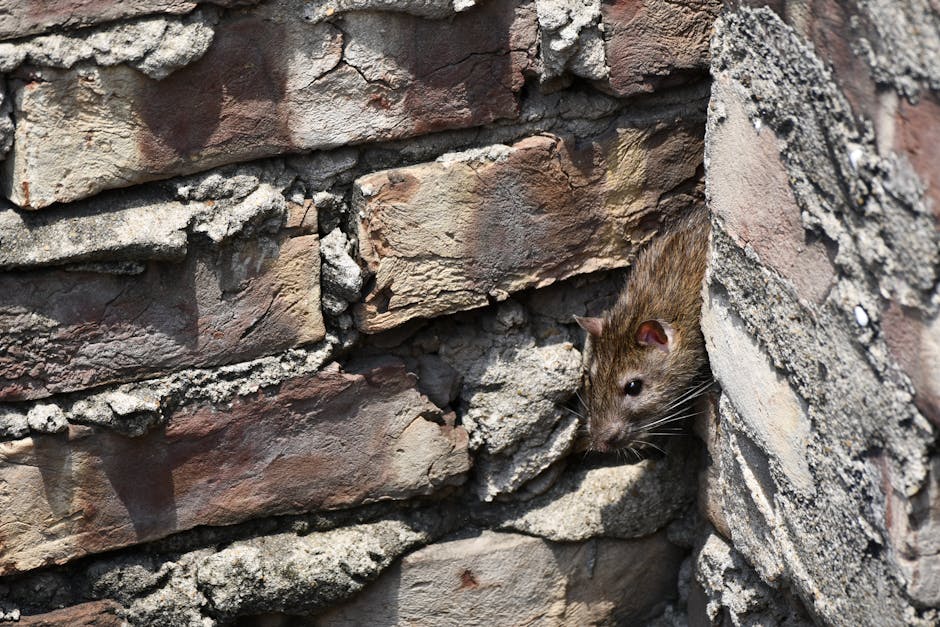
- Foundation cracks and gaps: Settling and weather damage create openings where the foundation meets the structure
- Utility penetrations: Pipes, cables, and wires entering the building often have gaps around them
- Windows and doors: Worn weatherstripping, damaged screens, and gaps under doors provide easy access
- Vents and chimneys: Unscreened or damaged vents are highways for pests
- Roof damage: Missing shingles, damaged soffits, and fascia boards create vulnerable points
- Wall penetrations: Air conditioning units, dryer vents, and exhaust fans often have inadequate sealing
The first step in your pest-proofing journey is conducting a thorough inspection of your property, both inside and out. Work systematically, examining the exterior perimeter at ground level, then moving upward to check the roofline and attic spaces. Don’t forget to inspect basement areas and crawl spaces, which are particularly attractive to rodents seeking shelter.
Essential Materials and Tools for Sealing
Having the right materials makes the difference between a temporary fix and a permanent solution. Different entry points require different sealing materials based on the location, size of the gap, and type of pest you’re trying to exclude:
Caulk and sealants: Silicone-based caulk works well for smaller gaps around windows, doors, and pipes. Choose paintable varieties for visible areas and ensure the product is designed for both indoor and outdoor use depending on the application.
Expanding foam: Polyurethane foam expands to fill irregular cavities and larger gaps. However, be aware that mice can chew through standard foam, so look for pest-blocking formulas containing bitter additives or use foam in combination with other materials.
Steel wool and copper mesh: These materials are excellent for filling gaps around pipes before sealing with caulk or foam. Rodents cannot chew through steel wool or copper mesh, making them ideal for pest prevention.
Hardware cloth: This heavy-duty wire mesh (typically 19-gauge) should be used to cover larger openings like vents, chimneys, and foundation vents. Choose mesh with holes no larger than 6mm to exclude mice.
Door sweeps and weatherstripping: Install these along the bottom of doors and around door frames to eliminate gaps that provide pest access while also improving energy efficiency.
Concrete patch and mortar: Foundation cracks require durable repair materials that can withstand ground moisture and temperature fluctuations.
Step-by-Step Sealing Process for Different Areas
Foundation and Exterior Walls
Start at ground level and work your way around the entire perimeter of your building. Look carefully for any cracks, holes, or gaps where different building materials meet. Even hairline cracks can widen over time and eventually allow pest entry.

For small cracks less than 6mm wide, clean the area thoroughly with a wire brush to remove loose material and debris. Apply a high-quality exterior-grade caulk, smoothing it with a wet finger or caulking tool. For wider cracks, use a concrete patching compound or mortar mix, following the manufacturer’s instructions for proper curing time.
Pay special attention to where utility lines enter your home. Gaps around pipes, electrical conduits, and cables are notorious pest highways. Fill these spaces with steel wool first, then seal over with expanding foam or caulk for a rodent-proof barrier.
Windows and Doors
Windows and doors are among the most common entry points for pests. Inspect all weatherstripping and replace any sections that are worn, cracked, or missing. Modern door sweeps with rubber or brush components create effective barriers against crawling insects and rodents while maintaining proper door operation.
Check window screens for tears or holes and repair them promptly with screen repair patches or replace damaged screens entirely. Ensure all windows close completely and that gaps between the frame and wall are properly sealed with caulk.
For sliding doors, install a security bar in the track and verify that the door closes fully against the weatherstripping. Consider adding a threshold seal to sliding glass doors if you notice light or drafts at the bottom.
Roof, Soffits, and Attic Spaces
Roof-level entry points often go unnoticed but provide direct access to attic spaces where pests can nest undisturbed. Inspect your roofline from the ground with binoculars or from a safely positioned ladder, looking for damaged or missing shingles, gaps in soffits, and openings where the roof meets the walls.
Cover all attic vents with hardware cloth, securing it firmly with screws or staples. Ensure that ridge vents, soffit vents, and gable vents all have proper screening. Chimney caps not only prevent pest entry but also keep out rain and debris—install one if your chimney is currently uncovered.
Inside the attic, check where pipes and wires penetrate through the ceiling from below. Seal these openings with appropriate materials, and ensure that any attic access doors close snugly with weatherstripping around the frame.
Basement and Crawl Space Protection
Below-grade areas present unique challenges because they combine moisture, darkness, and numerous potential entry points—conditions that pests find irresistible. Foundation vents should be covered with hardware cloth, and any gaps around basement windows require careful sealing.
Examine where the foundation meets the wooden sill plate, as this junction often develops gaps over time. Check floor drains to ensure they have proper covers, and verify that sump pump discharge lines have appropriate screening where they exit the foundation.
Maintaining Your Pest Barriers
Sealing entry points is not a one-time task—it requires ongoing vigilance and maintenance. Seasonal temperature changes, settling, and normal wear and tear can compromise even the best sealing work. Establish a regular inspection schedule, checking your pest barriers at least twice annually—ideally in spring and autumn.
After severe weather events, conduct additional inspections as storms can create new openings or worsen existing vulnerabilities. Pay attention to areas where different materials meet, as these junctions are prone to separation and gap formation.
Keep vegetation trimmed back from your building’s exterior. Overgrown shrubs and tree branches touching your structure provide pest highways and can also hide entry points during inspections. Maintain a clear zone of at least 30cm between landscaping and your building’s exterior.
Good sanitation practices complement your physical barriers. Remove potential food sources by securing rubbish bins with tight-fitting lids, cleaning up pet food, and addressing moisture problems that attract pests seeking water sources.
When to Call Professional Pest Control Services
While homeowners and property managers can handle many sealing tasks themselves, some situations require professional expertise. If you’re already experiencing an active infestation, DIY sealing can trap pests inside your walls or structure, potentially worsening the problem. Professional pest control services can eliminate existing pests before sealing work begins.

ProPest Oxford Ltd offers comprehensive pest inspections that identify entry points you might miss, particularly in hard-to-access areas like rooflines, attics, and beneath structures. Professional technicians have specialized knowledge about pest behavior patterns and can predict likely entry points based on local pest populations and building characteristics.
Commercial properties face unique challenges due to their size, complexity, and the potential impact of pest infestations on business operations and reputation. This is especially true for businesses, like restaurants, that must comply with strict Commercial Pest Control Regulations Uk 2026. Professional services provide ongoing monitoring and maintenance programs that ensure continuous protection for businesses across Oxfordshire and East Sussex, whether it’s managing Fly Control for Commercial Kitchens or implementing Cockroach Treatment for Restaurants.
Additionally, some structural repairs require professional building contractors, particularly when dealing with significant foundation damage, roof repairs, or major structural modifications. In these cases, coordinate between pest control professionals and building contractors to ensure repairs meet both structural and pest prevention requirements for Safe Pest Control Around Children and Pets.
Conclusion
Sealing entry points is your first and most important line of defence against pest infestations. By systematically inspecting your property, using appropriate materials, and maintaining your pest barriers over time, you can dramatically reduce the likelihood of unwanted invaders taking up residence in your home or business.
Remember that pest prevention is an investment in your property’s value and the health and safety of its occupants. While the initial time and effort required for thorough sealing may seem substantial, the long-term benefits far outweigh the costs of dealing with established infestations.
For property owners in Oxfordshire and East Sussex facing persistent pest problems or seeking expert guidance on pest-proofing their properties, ProPest Oxford Ltd provides professional inspections, treatment services, and preventative maintenance programs. Taking action now to seal entry points will provide peace of mind and lasting protection against rats, mice, wasps, bed bugs, and other common pests that threaten your property and well-being.