
Understanding Rodenticides for Homeowner Use
Rodenticides play a crucial role in controlling rat and mouse infestations in residential properties throughout the UK. While professional pest control services offer the safest and most effective solutions, many homeowners want to understand what these products are, how they work, and when professional intervention becomes necessary. ProPest Oxford Ltd has compiled this comprehensive guide to help homeowners make informed decisions about rodent control in their properties across Oxfordshire and East Sussex.
What Are Rodenticides and How Do They Work
Rodenticides are chemical compounds specifically designed to eliminate rodent populations. These substances differ significantly from traps or other mechanical control methods, as they use toxic ingredients to target the physiology of rats and mice. Understanding the basic mechanisms of rodenticides helps homeowners appreciate both their effectiveness and the risks they pose.
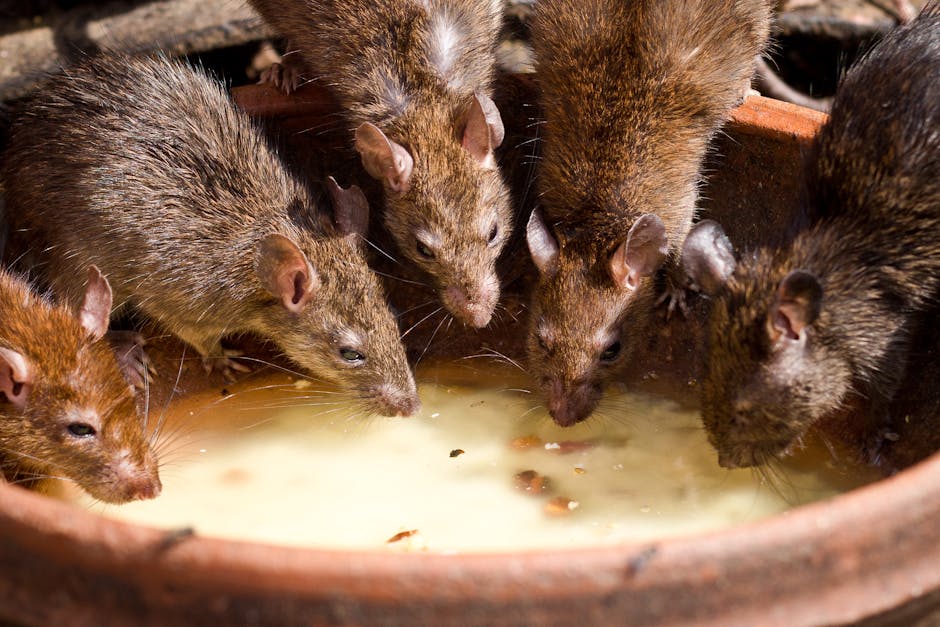
The most common rodenticides available today are anticoagulants, which prevent blood from clotting properly. When rodents consume these baits over several days, they experience internal bleeding that ultimately proves fatal. This delayed action serves an important purpose—it prevents other rodents from associating the bait with the death of their companions, encouraging continued consumption throughout the colony.
First-generation anticoagulants, such as warfarin, require multiple feedings over several days to achieve lethal doses. Second-generation anticoagulants, including brodifacoum and difenacoum, are significantly more potent and can be lethal after a single feeding. These newer formulations were developed partly because some rodent populations developed resistance to first-generation products.
Non-anticoagulant rodenticides also exist, including acute toxins like bromethalin, which affects the central nervous system, and cholecalciferol, which causes fatal calcium buildup in the bloodstream. These alternatives work through different mechanisms and may be selected when resistance to anticoagulants is suspected.
Types of Rodenticide Formulations Available
Rodenticides come in various physical forms, each designed for specific situations and environments. Block baits are solid formulations that resist moisture and can be secured in place, making them suitable for damp areas like basements or outdoor locations. Their durability means they remain effective for extended periods without degrading.

Grain and pellet baits resemble natural food sources and are often highly palatable to rodents. These loose formulations work well in dry, protected areas but can scatter and become less effective in high-traffic zones. They also pose greater risks if accidentally accessed by children or non-target animals.
Paste baits offer flexibility for application in tight spaces and along runways where rodents travel. Their soft consistency adheres to surfaces and can be placed in locations where other formulations might not stay secure. However, paste baits may dry out more quickly than blocks in certain conditions.
Tracking powders represent a specialized category that rodents pick up on their feet and fur, later ingesting during grooming. These products work well in areas where rodents might avoid traditional baits but require careful application to prevent dispersal beyond target areas.
Professional pest control services like ProPest Oxford Ltd have access to professional-grade formulations and secure bait stations that are not available to the general public. These restricted products often prove more effective while incorporating safety features that minimize risks to people, pets, and wildlife.
Legal Restrictions and Safety Regulations
The use of rodenticides in the UK is governed by strict regulations designed to protect public health and the environment. The Campaign for Responsible Rodenticide Use (CRRU UK) established stewardship guidelines that all professional pest controllers must follow. These requirements extend to some products available for homeowner purchase as well.

Second-generation anticoagulants are classified as professional-use-only products, meaning homeowners cannot legally purchase or use them without proper authorization. This restriction exists because these potent compounds pose significant risks to non-target species and the environment when used improperly.
Products available for homeowner use must be clearly labeled with detailed instructions, safety warnings, and first-aid information. Homeowners must read and follow these instructions precisely, as deviating from label directions is both dangerous and illegal under UK pesticide legislation.
Tamper-resistant bait stations are required in most situations to prevent access by children, pets, and non-target wildlife. These protective enclosures must be secured and positioned carefully to allow rodent access while excluding larger animals. Simply placing bait in open areas violates safety guidelines and dramatically increases risks.
Proper record-keeping is recommended even for homeowner use, documenting where baits are placed, when they are checked, and how much has been consumed. This practice helps track effectiveness and ensures no bait is left behind after the infestation is controlled, preventing accidental poisoning of wildlife or pets after the rodents are eliminated.
Risks and Hazards of Improper Use
The dangers of rodenticides extend far beyond their intended targets. Secondary poisoning occurs when predators or scavengers consume poisoned rodents, accumulating toxins in their systems. Birds of prey, foxes, domestic cats, and dogs all face risks from this exposure pathway, particularly with second-generation anticoagulants that persist in rodent tissues.
Children are especially vulnerable to accidental poisoning. Rodenticide baits are often formulated to be attractive to rodents, which unfortunately can also appeal to curious children. Even with bait stations, improper placement or damaged containers can allow access. Symptoms of anticoagulant poisoning may not appear for several days, potentially delaying critical medical treatment.
Pets frequently encounter rodenticides, either by consuming baits directly or by catching poisoned rodents. Dogs are particularly at risk due to their tendency to investigate and consume novel items. Cats that hunt may consume multiple poisoned rodents, accumulating dangerous toxin levels. Emergency veterinary treatment with vitamin K1 can reverse anticoagulant poisoning if administered promptly, but delays can prove fatal.
Environmental contamination represents another serious concern. Rodenticides can enter water supplies, soil systems, and the broader food chain. Improper disposal of unused products or the bodies of poisoned rodents can spread contamination to unintended areas. Wildlife populations, particularly predatory birds and mammals, have shown measurable rodenticide residues in many studies, indicating widespread exposure.
Resistance development poses a long-term hazard. Repeated use of the same rodenticide types in an area can select for resistant rodent populations, rendering these products ineffective and necessitating stronger compounds. This resistance cycle drives the development of increasingly potent formulations, amplifying risks to the environment.
When to Call Professional Pest Control
Many rodent problems require professional expertise for safe, effective resolution. Large infestations involving multiple rodents or evidence of established colonies almost always exceed the scope of DIY methods. Professionals possess the experience to assess infestation severity, identify entry points, and implement comprehensive control strategies that address root causes rather than just symptoms.

Recurring infestations indicate underlying issues that homeowner efforts have failed to resolve. Structural problems allowing continued rodent access, nearby food sources attracting new populations, or resistance to available products all require professional diagnosis. ProPest Oxford Ltd’s expertise in identifying these factors ensures long-term solutions rather than temporary relief.
Properties with children, pets, or vulnerable individuals should prioritize professional services that minimize exposure risks. Professionals understand how to place and secure baits in ways that dramatically reduce non-target hazards while maintaining effectiveness against rodent populations. They also have access to monitoring methods and non-toxic alternatives that homeowners cannot obtain.
Commercial properties and rental accommodations face additional considerations. Legal responsibilities for tenant safety, food safety regulations, and duty of care obligations typically mandate professional pest control services. Attempting DIY rodent control in these settings can create liability issues if someone is harmed or if infestations affect business operations.
Sensitive environments such as schools, healthcare facilities, food preparation areas, and locations near water sources require specialized approaches that balance effectiveness with safety concerns. Professional pest controllers are trained in integrated pest management techniques appropriate for these challenging situations.
Same-day appointments and emergency call-outs, like those offered by ProPest Oxford Ltd, become essential when rodent activity poses immediate health risks or property damage. Chewed electrical wiring, contamination of food storage areas, or visible rodent activity during daytime hours all indicate urgent problems requiring rapid professional response.
Alternative and Integrated Approaches
Effective rodent control extends beyond chemical products to encompass prevention, exclusion, and environmental management. Integrated pest management (IPM) combines multiple strategies to achieve sustainable control while minimizing reliance on toxic substances. This approach aligns with growing environmental consciousness and regulatory trends favoring reduced rodenticide use.
Exclusion methods focus on denying rodents access to buildings through structural repairs and modifications. Sealing gaps around pipes, repairing damaged vents, installing door sweeps, and screening openings prevent rodents from entering in the first place. Professional assessments identify vulnerable points that homeowners might overlook, ensuring comprehensive protection.
Sanitation and environmental modification remove the food, water, and shelter resources that attract and sustain rodent populations. Proper food storage in rodent-proof containers, eliminating water sources, removing clutter that provides nesting sites, and maintaining vegetation away from building foundations all reduce rodent pressure. These preventative measures work synergistically with active control methods.
Mechanical trapping offers a non-toxic alternative for small infestations or maintenance after chemical control. Modern snap traps, electronic traps, and live-catch devices provide options for different situations and homeowner preferences. However, trapping requires proper placement knowledge, consistent monitoring, and appropriate disposal of captured rodents—expertise that professionals bring to ensure success.
Ultrasonic devices and natural repellents are frequently marketed as humane alternatives, but evidence supporting their effectiveness remains limited. While some homeowners report short-term success, rodents typically habituate to ultrasonic frequencies, and natural repellents rarely provide sufficient deterrence against established infestations. Professional pest controllers can advise on evidence-based alternatives appropriate for specific situations.
Conclusion
Understanding rodenticides empowers homeowners to make informed decisions about rodent control while appreciating the complexities and risks involved. While some products are available for homeowner use, the potential for harm to people, pets, and the environment is substantial when these toxic substances are used improperly. Legal restrictions limiting access to the most effective formulations reflect these serious safety concerns.
Professional pest control services like ProPest Oxford Ltd offer expertise, access to professional-grade products and equipment, and comprehensive approaches that address both immediate rodent problems and long-term prevention. For homeowners and businesses across Oxfordshire and East Sussex facing rodent issues, professional intervention provides peace of mind that the problem will be resolved safely, legally, and effectively.
Integrated pest management approaches combining exclusion, sanitation, and targeted control methods represent the future of responsible rodent management. By prioritizing prevention and using rodenticides judiciously as part of comprehensive strategies rather than as standalone solutions, we can protect our properties while minimizing impacts on the broader environment. When rodent problems arise, consulting with experienced professionals ensures the most appropriate solutions for your specific situation.