
Professional Pest Control Services Guide
Pest infestations can quickly transform from minor annoyances to serious health hazards and property damage concerns. Whether you’re a homeowner discovering rat droppings in your attic, a landlord facing a bed bug complaint, or a business owner worried about regulatory compliance, professional pest control services offer the expertise and solutions needed to address these challenges effectively. In 2026, the pest control industry continues to evolve with advanced techniques, environmentally responsible treatments, and comprehensive prevention strategies that go far beyond simple extermination.
Understanding when to call professionals, what services they provide, and how to choose the right pest control partner can save you time, money, and considerable stress. This comprehensive guide explores everything you need to know about pro pest control, from common pest challenges to preventative measures that protect your property long-term.
Common Pest Problems Requiring Professional Intervention
While some minor pest issues can be handled with DIY solutions, certain infestations demand professional expertise. Rats and mice pose significant health risks through contamination and disease transmission, while their gnawing habits can damage electrical wiring, insulation, and structural components. These rodents reproduce rapidly, meaning a small problem can escalate into a major infestation within weeks if not properly addressed.
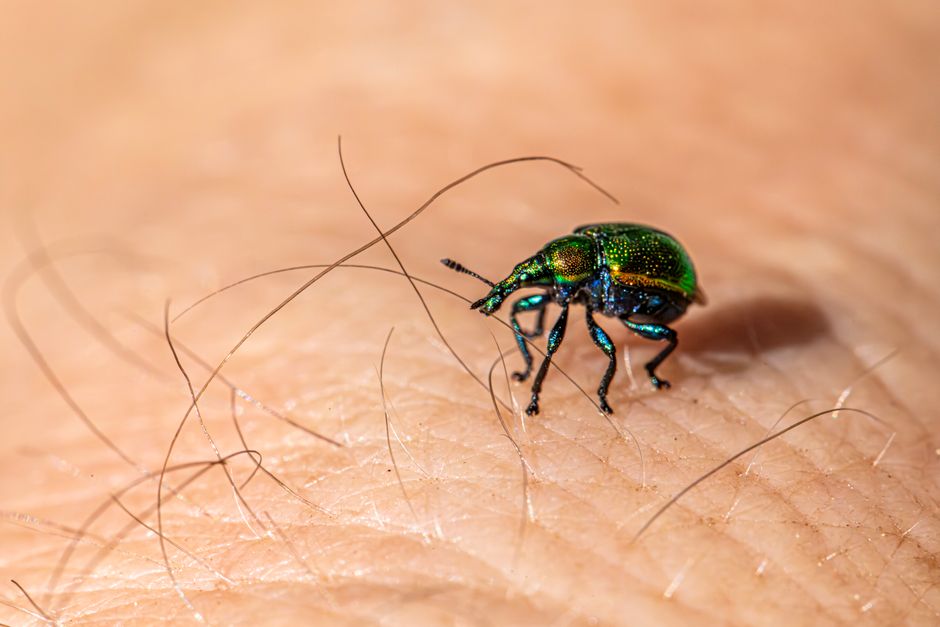
Wasp nests present immediate danger, particularly to individuals with allergies. Professional pest controllers have the protective equipment and specialized treatments to safely remove nests from challenging locations such as roof spaces, wall cavities, and high exterior areas. Attempting DIY wasp removal often results in aggressive swarms and potential injuries.
Bed bugs have become increasingly prevalent across residential and commercial properties. These resilient pests hide in mattress seams, furniture joints, and wall cracks, feeding on human blood during nighttime hours. Their ability to survive months without feeding and resistance to many over-the-counter treatments makes professional intervention essential for complete eradication.
Commercial premises face additional pressure due to regulatory requirements and reputation concerns. Restaurants, hotels, healthcare facilities, and food processing businesses must maintain pest-free environments to comply with health codes and protect their brand image. A single pest sighting can result in failed inspections, legal consequences, and damaging online reviews.
Professional Pest Control Methods and Treatments
Modern pest control professionals employ integrated pest management (IPM) strategies that combine multiple approaches for maximum effectiveness. This methodology prioritizes thorough inspection to identify pest species, entry points, harboring areas, and conducive conditions before recommending treatment plans tailored to specific situations.

For rodent control, professionals utilize a combination of strategic trapping, monitoring stations, and targeted baiting programs. Unlike consumer-grade products, professional-grade rodenticides are formulated for greater efficacy while incorporating safety features to minimize risks to non-target animals. Exclusion work—sealing entry points and eliminating access routes—forms a critical component of lasting rodent control, preventing new infestations after existing populations are eliminated.
Insect treatments vary based on species and infestation severity. Residual insecticides create protective barriers around entry points and along pest pathways, while space treatments address active infestations in enclosed areas. Heat treatments have become increasingly popular for bed bug elimination, raising room temperatures to levels lethal to all life stages without chemical residues.
Professional-grade equipment makes significant differences in treatment outcomes. Industrial sprayers ensure thorough coverage in hard-to-reach areas, thermal imaging cameras detect hidden infestations, and specialized dusting equipment applies treatments into wall voids and other concealed spaces where pests harbor.
Environmentally conscious pest control has gained prominence, with many professionals offering low-toxicity and non-chemical alternatives where appropriate. These include biological control agents, mechanical traps, physical barriers, and habitat modification strategies that reduce reliance on chemical treatments while maintaining effectiveness.
Same-Day and Emergency Pest Control Services
Certain pest situations cannot wait for standard appointment scheduling. Wasp nests near entrances, rat sightings in commercial kitchens, or bed bug discoveries in rental properties require immediate response to prevent escalation, protect health, and minimize business disruption.

Professional pest control companies offering same-day appointments and emergency call-outs provide rapid response capabilities that address urgent situations quickly. These services prove invaluable when pests pose immediate health risks, threaten business operations, or occur at critical times such as before property viewings or health inspections.
Emergency services typically include rapid assessment, immediate treatment where possible, and interim measures to contain situations until comprehensive treatment programs can be implemented. For landlords, quick response capabilities help fulfill legal obligations to maintain habitable conditions and respond promptly to tenant pest concerns.
The value of emergency pest control extends beyond immediate problem resolution. Swift professional intervention often prevents minor issues from developing into severe infestations requiring extensive treatment, ultimately reducing overall costs and property damage. For businesses, maintaining emergency pest control relationships ensures continuity of operations and protects against regulatory violations.
Long-Term Pest Prevention Strategies
Effective pest management extends beyond eliminating current infestations to preventing future problems. Professional pest controllers conduct comprehensive property assessments identifying vulnerabilities that attract pests or allow entry. These evaluations examine structural integrity, sanitation practices, moisture issues, vegetation management, and waste disposal procedures.

Structural modifications form the foundation of lasting pest prevention. Sealing gaps around utility penetrations, repairing damaged vent screens, installing door sweeps, and addressing foundation cracks eliminate entry routes that pests exploit. For commercial properties, professionals may recommend specialized exclusion systems such as air curtains, strip doors, or modified loading dock designs that prevent pest access during operations.
Ongoing monitoring programs detect pest activity before populations establish, allowing intervention at early stages when treatment is simpler and less costly. Regular inspections identify changing conditions that may attract pests, enabling proactive adjustments to prevention strategies. Many expert pest control services offer scheduled maintenance visits that combine monitoring, minor treatments, and preventative measures in comprehensive service packages.
Education plays a crucial role in sustainable pest prevention. Professional pest controllers provide guidance on sanitation practices, proper food storage, waste management, moisture control, and landscaping modifications that reduce pest attractants. For businesses, staff training ensures employees recognize early warning signs and understand their role in maintaining pest-free environments.
Documentation and record-keeping support long-term prevention efforts, particularly for commercial clients. Detailed service reports track treatments, monitor pest activity trends, and demonstrate due diligence for regulatory compliance. These records prove invaluable during health inspections, tenant disputes, or when evaluating the effectiveness of prevention programs.
Choosing the Right Pest Control Provider
Selecting a qualified pest control company requires evaluating several critical factors beyond price considerations. Proper licensing and insurance protect property owners from liability while ensuring technicians meet regulatory training and competency standards. Reputable companies readily provide proof of credentials and maintain comprehensive liability coverage.

Experience with specific pest types and property categories matters significantly. A company specializing in residential rodent control may lack the regulatory knowledge and specialized equipment needed for commercial food service pest management. Similarly, bed bug treatment requires specific expertise distinct from general insect control capabilities.
Treatment approaches and product selection reveal company priorities. While some situations demand conventional pesticides, quality pest control providers offer treatment options matching client preferences for environmental impact, chemical sensitivity, and long-term sustainability. Clear communication about treatment methods, expected outcomes, and potential risks demonstrates professional transparency.
Service area coverage affects response times and ongoing support. Companies serving Oxfordshire and East Sussex, for example, can provide rapid emergency response and regular maintenance visits within these regions more reliably than providers operating from distant locations. Local expertise also means familiarity with area-specific pest pressures and seasonal patterns.
Customer service quality impacts overall experience beyond technical pest control competence. Responsive communication, flexible scheduling, clear pricing, and professional conduct distinguish superior providers. Online reviews, industry certifications, and longevity in the market offer insights into company reliability and customer satisfaction.
Health and Safety Considerations
Professional pest control intersects significantly with public health protection. Pests transmit numerous diseases, contaminate food supplies, trigger allergic reactions, and create unsanitary conditions. The Centers for Disease Control and Prevention provides extensive resources on disease vectors and prevention strategies that inform professional pest management protocols. Learn more about health protection measures at the CDC’s guidance resources.
Pesticide safety remains a primary concern for property occupants. Licensed professionals understand proper product selection, application rates, and safety precautions that minimize exposure risks while maximizing treatment effectiveness. They follow strict protocols regarding notification requirements, re-entry intervals, and special precautions for sensitive populations including children, pregnant women, and individuals with respiratory conditions.
Professional pest controllers maintain rigorous safety standards protecting both occupants and technicians. Personal protective equipment, proper ventilation procedures, and adherence to product labels ensure treatments proceed safely. Quality companies provide clear instructions regarding preparation requirements, temporary relocation recommendations, and post-treatment precautions.
For individuals concerned about chemical treatments, discussing alternatives with pest control professionals often reveals viable options. Many situations allow effective control using mechanical methods, biological agents, or targeted applications minimizing overall pesticide use while achieving desired outcomes.
Conclusion
Home pro pest control services provide essential protection for homes, rental properties, and businesses throughout Oxfordshire, East Sussex, and beyond. From rapid emergency response to comprehensive prevention programs, qualified pest control providers offer expertise and resources that effectively address infestations while minimizing health risks and property damage.
Whether confronting immediate pest emergencies or establishing long-term prevention strategies, partnering with experienced professionals ensures problems are resolved thoroughly and sustainably. The investment in professional pest control protects property values, maintains health and safety standards, ensures regulatory compliance, and delivers peace of mind that pest issues are handled correctly.
As pest pressures continue evolving and treatment technologies advance, the value of professional expertise only increases. By choosing qualified providers, understanding available services, and implementing recommended prevention measures, property owners and managers can maintain pest-free environments that protect occupants, preserve assets, and support successful operations. For comprehensive solutions, consider all pro pest control services in 2026.