
Professional Pest Control Solutions 2026
Pest infestations pose serious health risks and property damage threats to homes and businesses throughout the United Kingdom. In 2026, professional pest control services have become increasingly sophisticated, combining traditional methods with cutting-edge technology to deliver effective, safe, and sustainable pest management solutions. ProPest Oxford Ltd stands at the forefront of this industry, serving homeowners, landlords, and commercial premises across Oxfordshire with comprehensive pest control services designed to eliminate current infestations and prevent future problems.
Understanding the importance of rapid response, modern pest control services now offer same-day appointments and emergency call-outs, recognizing that pest problems can escalate quickly and require immediate attention. This comprehensive guide explores the multifaceted world of pro pest control, examining common pest threats, professional treatment methods, prevention strategies, and the critical importance of choosing qualified pest management professionals.
Common Pest Threats in UK Properties
The United Kingdom faces a diverse range of pest challenges that vary by season, region, and property type. Understanding these common threats helps property owners recognize infestations early and seek professional intervention before problems become severe.
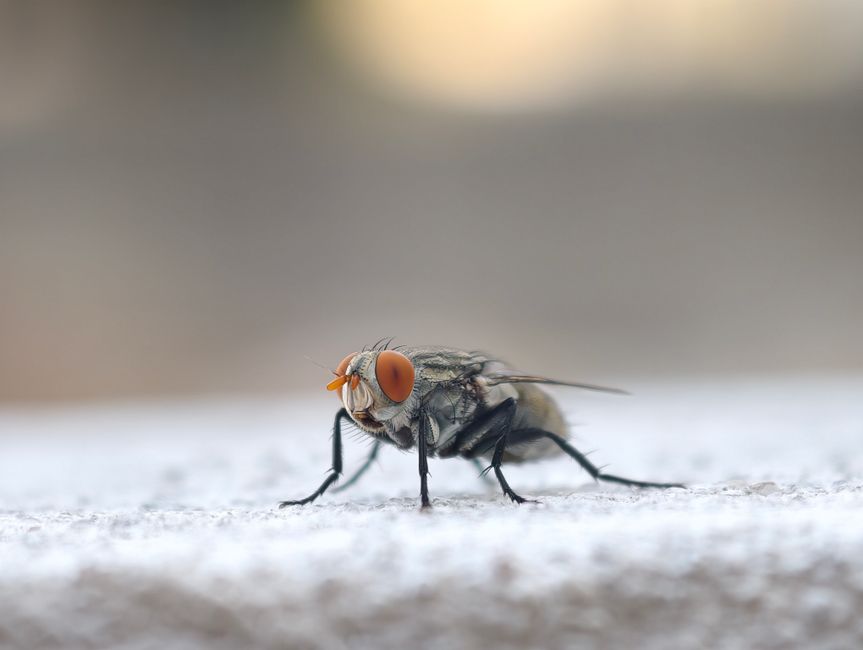
Rodent infestations remain among the most persistent pest problems in both urban and rural areas. Rats and mice seek shelter indoors during colder months, creating significant health hazards through contamination of food supplies, damage to electrical wiring, and transmission of diseases. These resilient creatures reproduce rapidly, meaning a small problem can become a major infestation within weeks if left unaddressed.
Wasp nests present seasonal dangers, typically becoming problematic between late spring and early autumn. These aggressive insects build colonies in loft spaces, wall cavities, and outdoor structures, posing serious risks to anyone allergic to stings. Professional removal requires specialized equipment and expertise to ensure safe elimination without endangering property occupants.
Additional pest concerns include cockroaches, fleas, ants, moths, and various flying insects, each requiring specific treatment approaches based on their biology and behavior patterns. Commercial food establishments face particular challenges in maintaining pest-free environments while adhering to strict health and safety regulations.
Professional Pest Control Methods and Technologies
Modern pest control has evolved far beyond simple poison application, embracing integrated pest management (IPM) strategies that prioritize long-term prevention and environmentally responsible solutions. Professional pest controllers in 2026 utilize a combination of proven techniques and innovative technologies to deliver comprehensive results.

Inspection and assessment form the foundation of effective pest control. Qualified technicians conduct thorough property surveys using thermal imaging cameras, moisture meters, and other diagnostic tools to identify entry points, harbourage areas, and conducive conditions that support pest populations. This detailed analysis informs customized treatment plans tailored to specific infestation characteristics.
Chemical treatments remain important tools when applied correctly by licensed professionals. Modern rodenticides, insecticides, and specialized formulations have become more targeted and safer for non-target species when used according to manufacturer specifications and current regulations. Professional pest controllers possess the training and certification required to select appropriate products and application methods for each situation.
Non-chemical interventions have gained prominence as property owners seek environmentally friendly alternatives. Physical trapping systems for rodents and exclusion techniques that seal entry points represent effective approaches that minimize chemical usage while delivering lasting results. These methods often form part of comprehensive treatment programs that combine multiple strategies for maximum effectiveness.
Monitoring and prevention systems help maintain pest-free environments after initial treatments. Professional services install discreet monitoring stations, provide regular inspections, and implement proactive measures to detect and address potential problems before they escalate. This ongoing maintenance approach proves particularly valuable for commercial properties where regulatory compliance and reputation protection are paramount concerns.
Health and Safety Considerations
Pest infestations directly impact human health, making professional control services a public health necessity rather than mere convenience. Understanding these health risks underscores the importance of prompt professional intervention when pest problems arise.

Rodents carry numerous diseases including leptospirosis, hantavirus, and salmonellosis, transmitting these pathogens through urine, droppings, and contaminated surfaces. The respiratory hazards posed by rodent allergens can trigger asthma attacks and allergic reactions, particularly affecting vulnerable individuals such as children and elderly residents. Similar to how regular physical activity supports overall health as outlined by NHS exercise guidance, maintaining pest-free environments contributes significantly to wellbeing and disease prevention.
Insect pests present distinct health challenges. Wasps and bees pose immediate dangers through painful stings that can trigger life-threatening allergic reactions in sensitive individuals. Cockroaches contaminate food preparation areas and produce allergens linked to childhood asthma development.
Professional pest control protects health by eliminating these disease vectors and implementing prevention strategies that reduce future exposure risks. Licensed technicians understand proper safety protocols for pesticide application, ensuring treatments effectively target pests while minimizing risks to humans and pets occupying treated spaces.
Businesses face additional responsibilities under food safety and health and safety legislation. Regular professional pest control services help commercial operators demonstrate due diligence in maintaining hygienic premises, protecting both customers and employees while safeguarding business reputation and avoiding regulatory penalties.
Choosing Professional Pest Control Services
Selecting qualified pest control professionals requires careful consideration of credentials, experience, and service offerings. Not all pest control providers deliver equivalent quality or value, making informed selection crucial for successful outcomes.
Professional certifications and memberships indicate commitment to industry standards and ongoing professional development. Reputable pest control companies employ technicians holding recognized qualifications and maintain memberships in professional bodies that enforce codes of conduct and technical competency requirements. These credentials demonstrate knowledge of current regulations, best practices, and safe treatment methodologies.
Insurance coverage protects both service providers and property owners against potential liabilities arising from pest control activities. Comprehensive public liability insurance and professional indemnity coverage should be standard for any reputable pest control business, providing peace of mind that any accidental damage or unforeseen issues will be properly addressed.
Service guarantees and follow-up protocols distinguish quality providers from those offering quick fixes without addressing underlying causes. Professional pest control companies typically provide treatment warranties, commit to follow-up visits when necessary, and stand behind their work with customer satisfaction guarantees. These commitments reflect confidence in treatment effectiveness and dedication to resolving pest problems completely.
Emergency availability and response times matter significantly when dealing with urgent pest situations. Services offering same-day appointments and emergency call-outs demonstrate recognition that some infestations require immediate attention to prevent health risks or property damage. This rapid response capability proves particularly valuable for commercial premises where pest sightings can immediately impact operations.
Local knowledge and area-specific expertise enable pest controllers to address regional pest pressures effectively. Companies serving specific geographic areas like Oxfordshire develop deep understanding of local pest populations, seasonal patterns, and property construction characteristics that influence infestation risks and treatment approaches.
Long-Term Pest Prevention Strategies
While professional treatment eliminates existing infestations, sustainable pest management requires ongoing prevention efforts that address conducive conditions and minimize future infestation risks. Property owners who implement comprehensive prevention strategies enjoy long-term protection and reduced need for reactive treatments.

Structural maintenance and exclusion form the first line of defense against pest entry. Sealing gaps around pipes, doors, and windows, repairing damaged roof tiles, installing door sweeps, and screening ventilation openings physically prevent pests from accessing interior spaces. Professional pest controllers identify vulnerable entry points during inspections and provide recommendations for effective exclusion measures.
Sanitation and housekeeping practices significantly influence pest attraction and survival. Proper food storage in sealed containers, prompt cleanup of spills and crumbs, regular waste removal, and elimination of clutter reduce available food sources and harbourage areas that support pest populations. Commercial kitchens and food retail premises require particularly rigorous sanitation protocols to maintain pest-free environments.
Moisture control addresses a critical factor in many pest infestations. Repairing leaks, improving ventilation in damp areas, maintaining gutters and drainage systems, and using dehumidifiers in prone areas eliminate the moisture that attracts pests like cockroaches, silverfish, and various wood-boring insects. Just as maintaining physical activity habits contributes to long-term health outcomes, consistent moisture management supports lasting pest prevention.
Landscape management around buildings influences exterior pest populations that may eventually move indoors. Trimming vegetation away from structures, removing organic debris, maintaining proper drainage, and eliminating standing water reduce harborage sites and breeding areas for various pests. Professional pest control services often provide landscape recommendations as part of comprehensive prevention programs.
Regular professional inspections detect early signs of pest activity before minor issues escalate into major infestations. Scheduled monitoring visits allow technicians to identify emerging problems, verify the continued effectiveness of prevention measures, and make adjustments to protection strategies as needed. This proactive approach proves especially cost-effective for commercial properties where pest problems can result in expensive shutdowns or regulatory violations.
The Business Case for Professional Pest Control
For commercial operations, professional pest control represents essential business infrastructure rather than optional expense. The financial and reputational consequences of pest infestations far exceed the cost of proactive professional services, making regular pest management a sound business investment.
Regulatory compliance requirements mandate pest control measures for food businesses, healthcare facilities, and various other commercial operations. Professional pest control documentation demonstrates compliance during inspections and audits, helping businesses meet legal obligations and avoid penalties that can result from pest-related violations.
Reputation protection holds immense value in today’s connected world where single pest sightings can generate negative reviews, social media complaints, and lasting damage to business credibility. Professional pest control minimizes infestation risks and provides rapid response when issues arise, protecting brand reputation and customer confidence.
Property preservation benefits from professional pest management that prevents structural damage caused by rodents, wood-boring insects, and other destructive pests. The cost of repairing chewed wiring, damaged insulation, compromised structural timbers, and other pest-related deterioration far exceeds preventive pest control investments.
Employee satisfaction and productivity improve in pest-free work environments. Workers dealing with pest problems experience distraction, discomfort, and stress that negatively impact performance. Professional pest control maintains pleasant working conditions that support employee morale and efficiency.
Landlords and property managers benefit particularly from establishing relationships with professional pest control providers who can respond quickly to tenant reports and provide consistent service across multiple properties. This systematic approach prevents small problems from becoming expensive emergencies while fulfilling landlord responsibilities to maintain habitable premises.
Conclusion
Professional pest control services provide essential protection for residential and commercial properties against the health hazards, property damage, and reputational risks associated with pest infestations. In 2026, the industry combines traditional pest management expertise with innovative technologies and environmentally responsible approaches to deliver comprehensive solutions tailored to specific infestation challenges.
ProPest Oxford provides services such as rat, mouse and wasp control in Oxfordshire.
The value of professional pest control extends beyond simple pest elimination, encompassing health protection, regulatory compliance, property preservation, and peace of mind. Whether addressing current infestations or implementing proactive prevention measures, qualified pro pest control professionals provide expertise, tools, and ongoing support that homeowners, landlords, and business operators cannot replicate through DIY approaches.
Investing in ProPest Pest Control services represents prudent decision-making that protects health, property, and financial interests while ensuring comfortable, safe living and working environments free from pest-related concerns.