
Last Updated: November 20, 2026
Quick Summary
Protecting luxury home interiors from pests starts with a regular routine: daily wiping and sealed food storage, weekly vacuuming of soft furnishings, monthly inspection of textiles and timber, and seasonal clearing of clutter. Sealing entry points and logging sightings, frass and fabric damage will show whether the routine is working.
- Wipe worktops, dry the sink and bin food waste daily, taking five to ten minutes.
- Vacuum soft furnishings weekly, paying attention to rug edges and under cushions.
- Inspect stored textiles and timber furniture monthly for holes, webbing, frass and exit holes.
- Keep a log of sightings, droppings and fabric damage to show whether the routine works.
- Do not assume a clean home is pest-free, as fabric and wood pests thrive in luxury materials.
Table of Contents
- Why Luxury Interiors Attract Pests and What Is at Risk
- How to Prevent Pests in the Home: A Step-by-Step Routine
- How to Seal Gaps to Stop Pests Entering
- Insects That Damage Clothes, Paper and Furniture
- Signs of Pests in Wooden Furniture and Timber Features
- Room-by-Room Protection and Luxury-Safe Treatment Choices
- Your Seasonal Inspection Checklist and Next Step for Protecting Your Home
- Frequently Asked Questions
Why Luxury Interiors Attract Pests and What Is at Risk
Luxury homes are not immune to pests. Often, they are more tempting. Warm rooms, soft furnishings, and well-kept gardens all give pests food, shelter, and places to hide, and that is why many owners of luxury home interiors are caught off guard.
The good news is that most pest problems start small and can be stopped early. Knowing what pests look for is the first step in protecting your home and its finest pieces.
What is at risk?
- Fine rugs and upholstered furniture
- Wool, silk, and cashmere clothing
- Paper collections, books, and artwork
- Solid timber floors, panelling, and antique furniture
- Kitchens and pantries with stored food
A small crack or a forgotten crumb can lead to a costly problem months later.
How to Prevent Pests in the Home: A Step-by-Step Routine
Prevention is easier and cheaper than treatment, but a routine only works if it is measurable. Rather than cleaning on instinct, set a schedule with clear indicators so you can tell whether it is working.
Daily (five to ten minutes)
- Wipe kitchen worktops and sweep crumbs from under appliances and the toaster.
- Wipe down the sink and drainer, and dry the area around the tap, silverfish and woodlice need damp.
- Take food waste out to a lidded external bin rather than leaving it in an indoor caddy overnight.
- Check that dry goods, pet food and bird seed are in glass or hard plastic containers with tight lids.
Weekly (twenty to thirty minutes)
- Vacuum soft furnishings, paying attention to the edges of rugs, under sofa cushions and along curtain hems where carpet beetles and clothes moths lay eggs.
- Vacuum under and behind large appliances, where crumbs and pet hair collect.
- Wipe the inside of pantry shelves and check opened packets for webbing or clumping.
- Empty and rinse indoor bins, and check the seal on the lid.
- Look for damp patches around sinks, washing machines and radiators, and note any that appear.
Monthly (thirty to sixty minutes)
- Inspect stored clothing and textiles for small holes, shed fibres or webbing, especially along seams, folds and under collars.
- Check the underside of upholstered furniture and the backs of wardrobes for frass or live insects.
- Look at the joins in timber panelling and the edges of solid timber floors for fresh exit holes or powdery dust.
- Review paper collections, books and artwork stored at low level for silverfish damage or damp.
- Confirm that external door sweeps and window seals are still intact.
Seasonally (before autumn and before spring)
- Clear clutter from cupboards, under stairs and storage areas, undisturbed boxes are the single most common harbourage for fabric pests.
- Check loft spaces and under-floor voids for activity, droppings or nesting material.
- Have chimneys and vents checked so that airflow is maintained without creating entry points.
- Rotate stored garments and air them before returning them to wardrobes.
Monitoring tools that make the routine measurable
A routine is only as good as the evidence it produces. Keep a simple log, paper or a spreadsheet, recording the date, the room, what you saw and where. Useful indicators include:
- Live sightings, however brief
- Droppings, which vary in shape by pest but are always a reliable sign of activity
- Frass (fine powdery dust) below timber
- Small round exit holes in wood
- Fabric damage: holes, thinning, shed fibres or webbing
- Moisture readings from a cheap pin-type meter in basements, cellars and around bathrooms
- Sticky monitoring traps placed in dark corners, behind furniture and in wardrobes, check them monthly and record catches
A common pattern is for a single trap to catch one or two insects over a season without any other sign. That is usually background activity. A trap that catches repeatedly, or catches alongside fabric damage or frass, is a signal to escalate.
Watch out: do not assume that a clean home is a pest-free home.
The routine is split into daily, weekly, monthly and seasonal tasks, each with a clear rhythm to follow.
| Frequency | Time needed | Key tasks |
|---|---|---|
| Daily | Five to ten minutes | Wipe worktops, dry the sink, bin food waste, seal dry goods |
| Weekly | Twenty to thirty minutes | Vacuum soft furnishings, clean appliances, check pantry, look for damp |
| Monthly | Thirty to sixty minutes | Inspect textiles, furniture undersides, timber joins, paper collections, seals |
| Seasonally | Before autumn and spring | Clear clutter, check loft and voids, check chimneys, air garments |
How to Seal Gaps to Stop Pests Entering
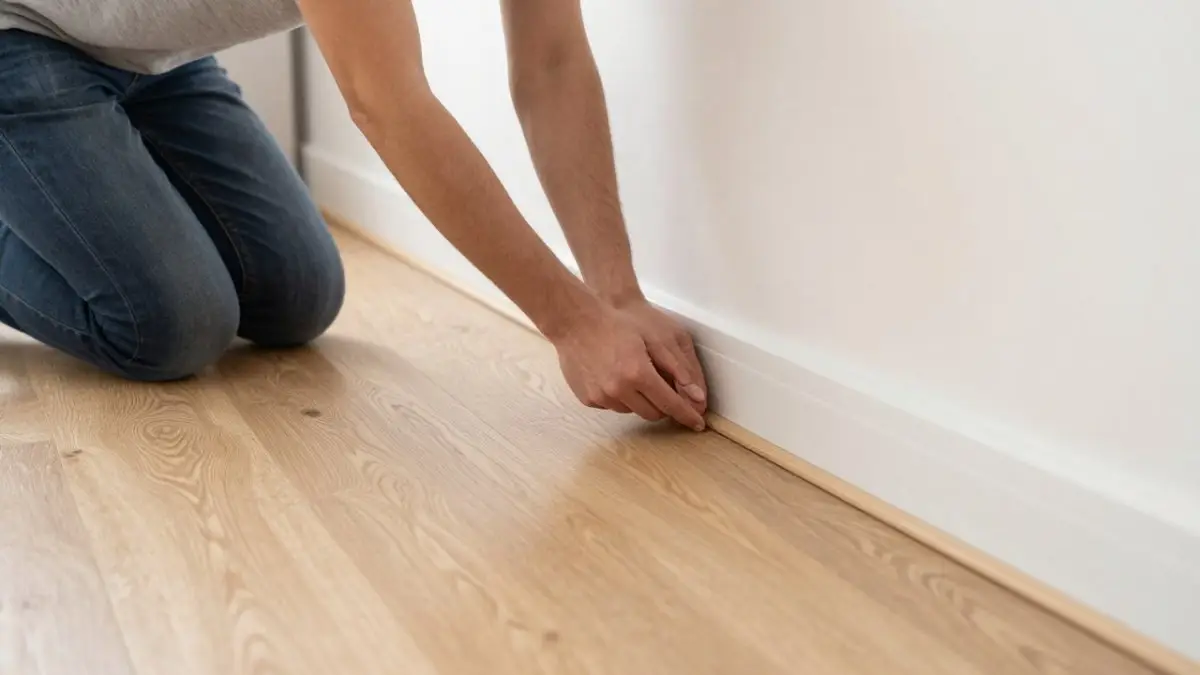
Most pests get in through small openings, so sealing them is a useful step. You can read a dedicated guide on identifying and closing entry points around your home to see exactly where to look.
Start with a careful walk around the outside of your property. Look for:
- Gaps around window and door frames
- Cracks in brickwork or render
- Holes where pipes and cables enter the building
- Damaged air bricks and vent covers
- Worn door sweeps and loose threshold seals
Once you have found the gaps, seal them with the right material:
- Silicone or exterior sealant for cracks around frames
- Fine wire mesh over vents, so air flows but pests cannot pass
- Expanding foam for larger gaps, trimmed flush once set
- Metal or brush strips for the bottom of doors
Check your seals at least twice a year, especially before autumn when pests look for shelter. A gap you fix today is one less route for pests tomorrow.
Watch out: do not seal a gap that is holding in damp or venting a boiler flue. Sealing ventilation can create moisture problems that attract new pests.
Insects That Damage Clothes, Paper and Furniture
Some insects do their damage quietly. They feed on natural fibres, paper, and wood over long periods, often without being noticed until the damage is severe.
Common culprits include:
- Clothes moths, which feed on wool, cashmere, and silk
- Carpet beetles, which damage rugs, upholstery, and feather pillows
- Silverfish, which eat paper, book bindings, and starched fabrics
- Furniture beetles, which tunnel into timber furniture
Signs to watch for include small holes in fabric, shed fibres or brown dust on carpets, and tiny pale grubs near seams or folds.
Clean wardrobes and drawers before storing clothes for the season.
Signs of Pests in Wooden Furniture and Timber Features
Wooden furniture, panelling, and floors can show pest activity long before the damage is obvious. Catching it early makes repair far simpler.
Look out for these warning signs:
- Small round exit holes, often about the size of a pinhead
- Fine powdery dust, called frass, on or below the wood
- Crumbling edges or soft spots when you press the surface
- Tunnels visible when a piece of timber is split open
Check the underside of furniture, the back of wardrobes, and the joins in panelling. If you are weighing up action, you can see what woodworm treatment costs and what affects the price.
If you find signs of activity, do not ignore them. Isolate the item, avoid moving it into other rooms, and arrange a professional inspection.
Room-by-Room Protection and Luxury-Safe Treatment Choices
Kitchens and pantries
Living rooms and entertaining spaces
Vacuum rugs and upholstery weekly, paying attention to the edges and under cushions.
Bedrooms and dressing rooms
Store clothing in breathable bags rather than sealed plastic, which can trap moisture. Check wardrobes every season and rotate garments.
Bathrooms
Ventilate well and repair leaks quickly. Damp areas attract woodlice and silverfish.
Studies, libraries and galleries
Keep paper and books off damp floors and control humidity, silverfish and booklice thrive in damp, still air.
Basements, cellars and under-floor voids
These are the highest-risk areas for damp-loving pests and wood-boring insects.
Protecting high-value materials and collections
- Silk, wool and cashmere: store clean, in breathable bags, with deterrents; inspect seams and folds monthly during the season.
- Leather and bespoke upholstery: keep away from damp and direct heat; check seams and undersides for carpet beetle larvae.
- Antiques and timber furniture: check undersides, backs and joins for frass and exit holes; avoid moving infested pieces into other rooms.
- Rugs and carpets: lift edges periodically to check the underlay; vacuum both sides where practical.
- Books, paper and artwork: control humidity, keep off floors, and inspect shelving behind and beneath items.
Luxury-safe treatment choices
When treatment is needed, the choice of product and method matters as much as the pest.
A decision path from monitoring to escalation
- Monitor: keep the log and traps described in the routine section, and record sightings, droppings, frass, fabric damage and moisture readings.
- Prevent: act on the indicators, seal entry points, reduce clutter, fix leaks, adjust storage.
- Targeted treatment: if activity persists in one area, use a targeted, material-compatible approach rather than a broad spray.
- Escalate: call a qualified professional if you see repeated trap catches, fresh frass or exit holes, fabric damage that continues after cleaning, or activity in more than one room. Early escalation keeps damage limited and treatment simpler.
Your Seasonal Inspection Checklist and Next Step for Protecting Your Home
Regular checks catch problems early. Use this checklist each season:
- Inspect external seals around windows, doors, and vents
- Check loft spaces and under-floor voids for signs of activity
- Vacuum rugs, sofas, and curtain hems
- Review stored clothing and textiles for holes or fibre dust
- Look for frass or exit holes in timber furniture and panelling
- Clear clutter from cupboards, under stairs, and storage areas
- Confirm bins and food stores are sealed
- Check for damp patches and repair any leaks
If you find signs of pests that you cannot control, or if a problem keeps returning, get professional advice early. When you are ready, you can explore professional protection for your property. Our guide on choosing an insect control service that works explains what to look for before you commit. You can book a service online at a time that suits you.
Frequently Asked Questions
How can I prevent pests from damaging furniture and fabrics?
Keep upholstery, rugs and stored textiles clean and dry, and vacuum regularly, paying attention to seams, under cushions and along skirting boards where food debris and dust collect. Store wool and silk items in sealed containers or breathable garment bags with cedar or lavender, and check them every few months. Avoid storing clothing in cardboard boxes in loft spaces, where damp and dust encourage pests. If you spot holes, frass or shed casings, isolate the item and arrange an inspection before the problem spreads to other pieces.
What household pests can damage wooden furniture?
Wood-boring beetles, such as the common furniture beetle, can lay eggs in timber and leave small round exit holes and fine powdery dust. Damp conditions make wood more vulnerable, so check solid oak, pine and veneered pieces in damp rooms, cellars and against external walls. Keeping relative humidity steady and repairing leaks promptly removes the conditions that favour these insects. Any sign of active infestation in structural or antique timber should be examined by a qualified pest professional before treatment.
How do I stop insects getting into my home?
Most insects enter through small gaps around windows, doors, pipe penetrations and air bricks, so sealing these is the first defence. Fit door brushes, check window seals each season and fill cracks in masonry with suitable mortar or sealant. Keep outdoor lights away from doors and windows where possible, as they draw flying insects inward. Regular checks of entry points, especially after storms or building work, help you catch openings before pests use them.
How often should I check my home for signs of pests?
A thorough check every season is a practical routine for most homes, with extra attention in autumn when indoor pest activity tends to rise. Look at skirting boards, under sinks, behind furniture, loft spaces and the back of wardrobes, and check stored fabrics and paper archives. Note any droppings, shed skins, holes in textiles or unusual smells, and act quickly when you find them. Keeping a simple dated log makes it easier to spot changes over time.
