
Woodworm infestations can cause significant structural damage to your property if left untreated. Understanding the costs associated with professional woodworm treatment in the UK is essential for homeowners, landlords, and business owners who need to protect their investment. This comprehensive guide covers everything you need to know about woodworm treatment costs in 2026, including pricing factors, treatment methods, and how to choose the right pest control service.
Understanding Woodworm and Why Treatment Is Essential
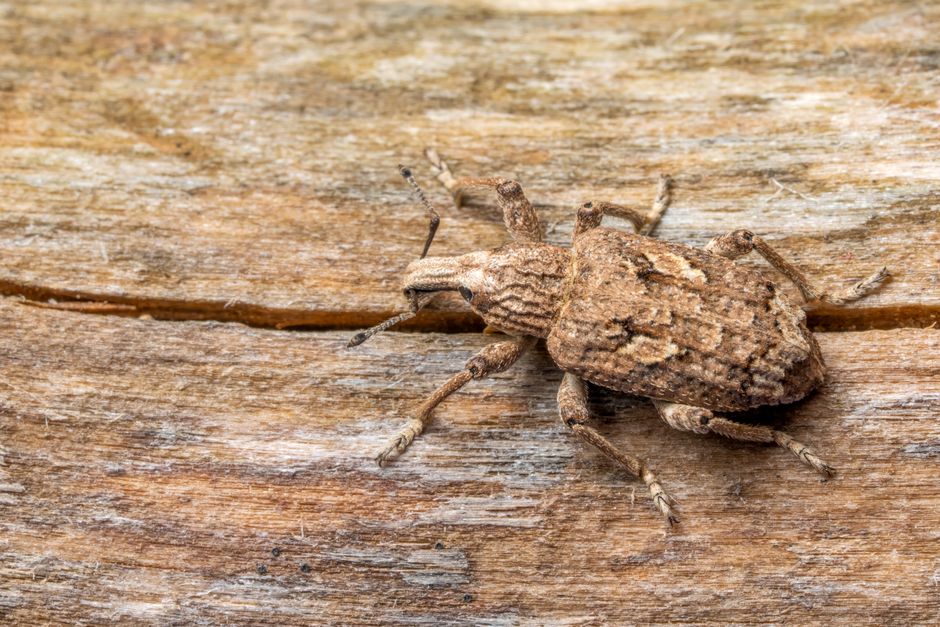
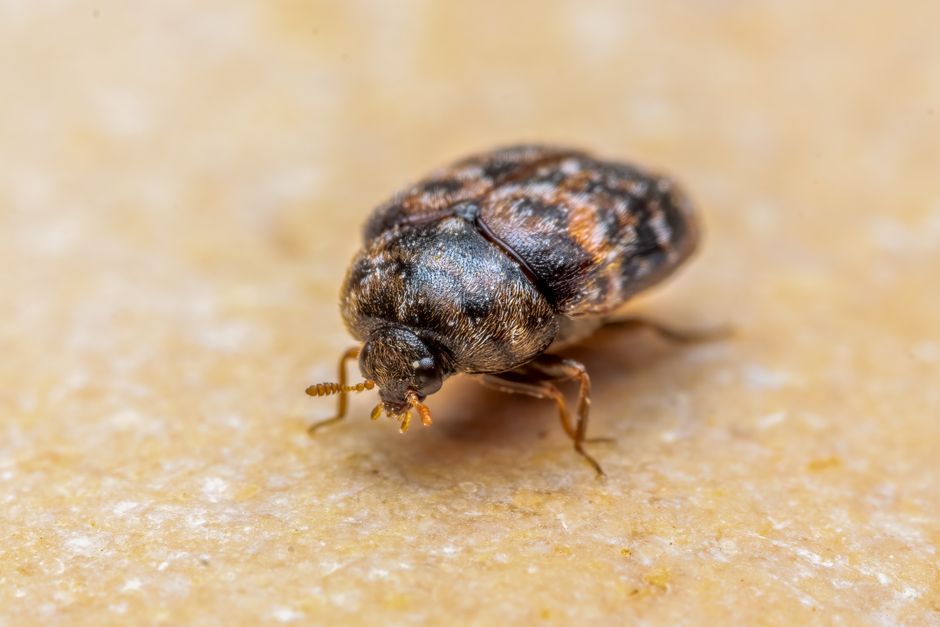
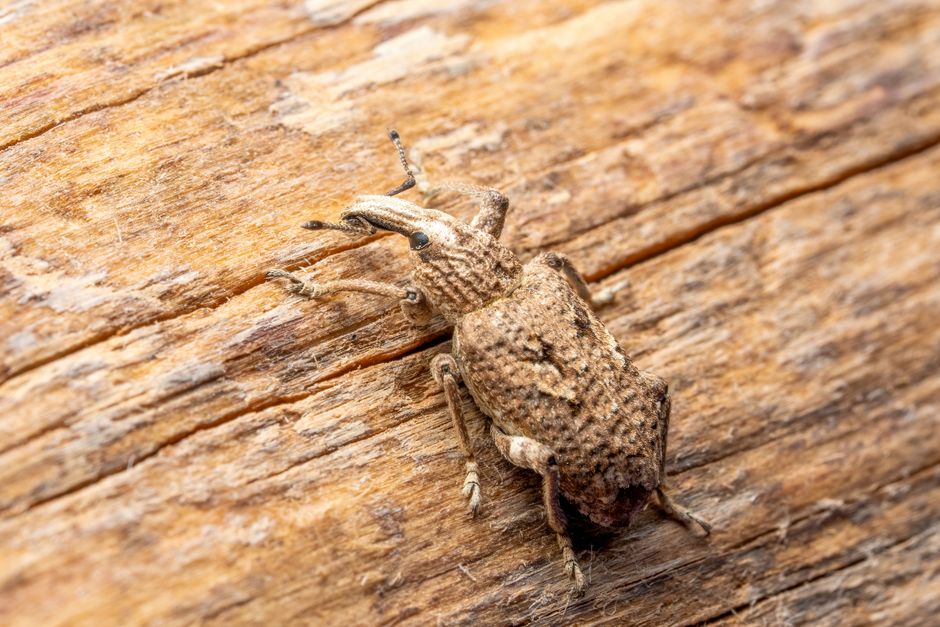
Woodworm is the collective term for wood-boring beetle larvae that tunnel through timber, creating characteristic holes and causing structural damage. Common species in the UK include the Common Furniture Beetle, House Longhorn Beetle, and Deathwatch Beetle. These pests can compromise the integrity of floor joists, roof timbers, furniture, and other wooden structures.
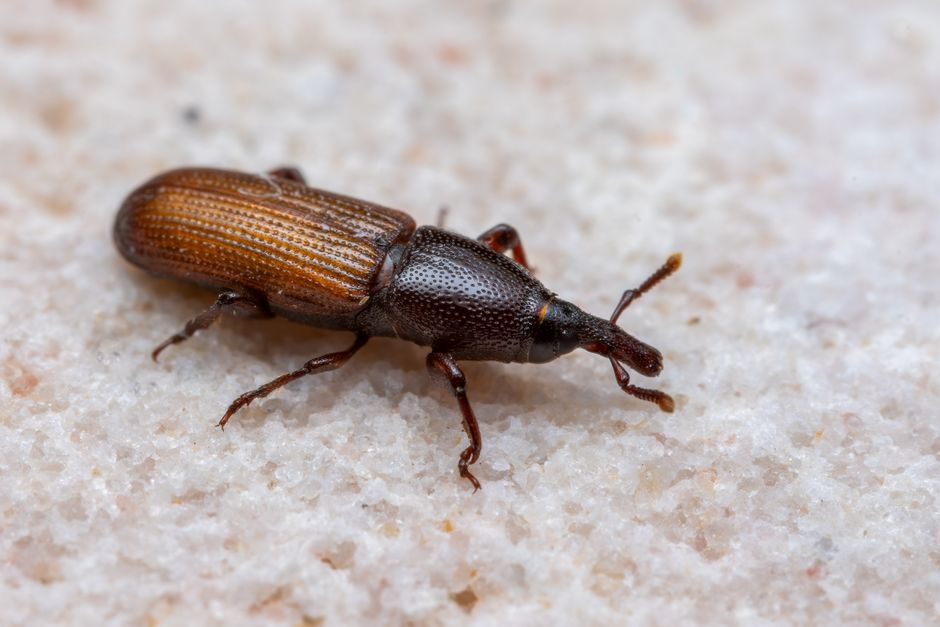
Early detection and treatment are crucial because woodworm damage worsens over time. What starts as a minor infestation can quickly spread throughout your property, leading to expensive repairs and potential safety hazards. Professional treatment not only eliminates active infestations but also prevents future occurrences, protecting your property value and ensuring structural safety.
Signs of woodworm include small round holes in timber (typically 1-2mm in diameter), fine powdery dust near woodwork, damaged or crumbling wood, dead beetles near wooden items, and visible tunnels in wood when the surface is removed. If you notice any of these signs, it’s important to act quickly and consult with professional pest control services like ProPest Oxford Ltd..
Average Woodworm Treatment Costs in the UK
The cost of professional woodworm treatment in the UK varies considerably depending on several factors. As of 2026, homeowners can expect to pay between £200 and £5,000 for comprehensive woodworm treatment, with most residential treatments falling in the £500 to £1,500 range.

For small-scale treatments affecting limited areas such as individual furniture pieces or small sections of timber, costs typically start at £200 to £400. Medium-scale treatments for partial room infestations, such as floor joists in one or two rooms, generally range from £500 to £1,200. Large-scale treatments for extensive infestations affecting multiple rooms, loft spaces, or entire properties can cost between £1,500 and £5,000 or more.
Commercial properties often face higher costs due to larger treatment areas and the need for minimal business disruption. Emergency or same-day treatments may also incur additional charges, though companies like ProPest Oxford Ltd offer flexible scheduling to accommodate urgent situations.
It’s important to note that these costs typically include the initial survey, treatment application, and often a guarantee period. Some providers also include follow-up inspections to ensure the treatment has been effective.
Factors That Influence Woodworm Treatment Pricing
Several key factors determine the final cost of woodworm treatment. Understanding these variables helps you anticipate expenses and budget accordingly.
Property size and affected area: The square footage of timber requiring treatment directly impacts cost. A small attic infestation costs significantly less than treating an entire property’s structural timbers.
Severity of infestation: Extensive or long-established infestations require more intensive treatment and potentially structural repairs, increasing overall costs. Infestations caught early are typically less expensive to treat.
Type of woodworm beetle: Different beetle species require specific treatment approaches. For example, House Longhorn Beetle infestations often demand more comprehensive treatment than Common Furniture Beetle.
Accessibility: Hard-to-reach areas such as roof spaces, underfloor voids, or areas requiring scaffolding increase labour costs and treatment complexity.
Property location: Treatment costs vary across the UK, with London and Southeast England typically commanding higher prices than other regions. However, local specialists like ProPest Oxford Ltd serving Oxfordshire and East Sussex offer competitive rates for their service areas.
Treatment method: Surface sprays are generally less expensive than deep penetration treatments or fumigation. The chosen method depends on infestation severity and timber type.
Additional repairs: Severely damaged timber may require replacement or reinforcement, adding structural repair costs to the treatment expense.
Professional Treatment Methods and Their Costs
Professional pest control companies employ various treatment methods, each with different cost implications and effectiveness levels.
Chemical spray treatments are the most common approach, involving the application of insecticidal sprays to affected timber surfaces. This method typically costs £200 to £800 for residential properties and is effective for surface-level infestations. The treatment penetrates timber to kill larvae and provides residual protection against future infestations.
Injection treatments involve drilling holes into timber and injecting insecticide gel or paste directly into the wood. This method costs approximately £400 to £1,200 and is particularly effective for severe infestations or thicker timbers where surface treatments might not penetrate sufficiently.
Fumigation is reserved for severe or widespread infestations, particularly in commercial settings or heritage properties. This comprehensive treatment can cost £1,500 to £5,000 or more and requires temporary evacuation of the premises.
Heat treatment is an increasingly popular, chemical-free alternative that raises the temperature of affected timber to levels lethal to woodworm. Costs typically range from £800 to £2,500 depending on the area treated.
Many professional services, including ProPest Oxford Ltd, conduct thorough surveys before recommending the most appropriate and cost-effective treatment method for your specific situation. This personalized approach ensures you receive the treatment that best addresses your infestation without unnecessary expense.
DIY Versus Professional Treatment: Cost Comparison
While DIY woodworm treatments are available at considerably lower upfront costs (£20 to £100 for DIY products), they come with significant limitations and risks that often make professional treatment the more cost-effective long-term solution.
DIY treatments work for very minor, localized infestations affecting small items like furniture. However, they rarely address the full extent of infestations, particularly when structural timbers are involved. Without professional equipment and expertise, it’s difficult to identify all affected areas or apply treatments to hard-to-reach spaces.
Professional treatments offer comprehensive surveys that identify the full scope of infestation, specialized equipment for thorough application, access to professional-grade insecticides more effective than retail products, and guarantees typically ranging from 10 to 30 years. They also provide expert advice on preventing future infestations and can identify and treat underlying moisture issues that contribute to woodworm problems.
Attempting DIY treatment for significant infestations often leads to incomplete eradication, allowing the problem to persist and worsen. This ultimately results in higher costs when professional intervention becomes necessary, along with additional damage costs from the delayed proper treatment.
For structural infestations or situations where you’re unsure of the extent of the problem, professional treatment from experienced providers like ProPest Oxford Ltd offers peace of mind and long-term value that DIY approaches cannot match. Considering seasonal pest prevention tips for UK homes can also help reduce the likelihood of such costly issues.
How to Choose a Woodworm Treatment Provider
Selecting the right pest control company ensures effective treatment and value for money. Consider these factors when choosing a provider in Oxfordshire, East Sussex, or elsewhere in the UK.
Look for companies with proper accreditations and memberships in professional bodies such as the British Pest Control Association (BPCA). These credentials indicate adherence to industry standards and ongoing professional development.
Experience specifically with woodworm treatment is essential, as these infestations require specialized knowledge different from general pest control. Ask about the company’s experience with your specific type of property and woodworm species.
Comprehensive guarantees demonstrate confidence in treatment effectiveness. Reputable companies typically offer guarantees of 10 to 30 years, providing long-term protection and peace of mind.
Transparent pricing with detailed written quotations helps you understand exactly what you’re paying for and avoid unexpected charges. The quote should clearly outline the treatment method, areas covered, and any guarantees provided.
Local providers like ProPest Oxford Ltd offer advantages including faster response times, same-day appointments when needed, knowledge of local property types and common pest issues, and personalized service. They serve homeowners, landlords, and businesses across Oxfordshire and East Sussex with professional pest control services. For example, if you’re dealing with other pests, understanding the causes of sudden ant infestation in homes can also be crucial for comprehensive pest management.
Check online reviews and testimonials to gauge customer satisfaction and treatment effectiveness. A company’s reputation provides valuable insight into service quality and reliability.
Insurance, Guarantees, and Long-Term Value
Understanding the long-term value of professional woodworm treatment helps contextualize the initial cost investment.
Many home insurance policies cover woodworm damage and treatment, though coverage varies considerably. Review your policy carefully and contact your insurer to understand what’s covered. Some insurers require professional treatment to validate claims, making DIY approaches potentially costly if damage occurs.
Professional treatments typically include guarantees ranging from 10 to 30 years. These guarantees usually cover retreatment if woodworm returns during the guarantee period, providing significant long-term value. Ensure you understand guarantee terms, including any required maintenance or inspection schedules.
The cost of woodworm treatment is modest compared to potential structural repair expenses. Severe infestations can compromise floor joists, roof timbers, and other critical structural elements, leading to repair costs of tens of thousands of pounds. Early professional treatment prevents this escalation.
For landlords, untreated woodworm can create legal liabilities and reduce property value. Professional treatment with transferable guarantees adds value when selling properties and demonstrates due diligence in property maintenance.
Conclusion
Woodworm treatment costs in the UK vary from £200 for minor treatments to £5,000 or more for extensive infestations, with most residential treatments falling in the £500 to £1,500 range. While these costs may seem significant, professional treatment offers long-term value through comprehensive infestation elimination, structural protection, and extensive guarantees.
Factors including property size, infestation severity, treatment method, and location all influence final costs. Professional treatment provides advantages that DIY approaches cannot match, including expert surveys, specialized equipment, effective insecticides, and long-term guarantees.
When selecting a woodworm treatment provider, prioritize experience, accreditation, transparent pricing, and comprehensive guarantees. Local specialists like ProPest Oxford Ltd serving Oxfordshire and East Sussex offer professional pest control services with same-day appointments and emergency call-outs, ensuring prompt attention to woodworm problems before they escalate. Implementing long-term pest management solutions is always advisable for overall property protection.
Investing in professional woodworm treatment protects your property’s structural integrity, maintains its value, and provides peace of mind knowing that your home or business is protected against these destructive pests. Don’t delay addressing woodworm issues—early intervention is always more cost-effective than dealing with advanced infestations and structural damage.