
Seasonal Pest Prevention Tips for Uk Homes
As the seasons change across the United Kingdom, so do the pest challenges that homeowners, landlords, and businesses face. Understanding when different pests are most active and implementing preventative measures throughout the year can save you from costly infestations and health hazards. ProPest Oxford Ltd has compiled this comprehensive guide to help you protect your property year-round across Oxfordshire, East Sussex, and beyond.
Understanding Seasonal Pest Patterns in the UK
The British climate creates distinct seasonal patterns for pest activity. Recognising these cycles is your first defence against infestations. During spring, warmer temperatures trigger breeding cycles for many insects and rodents. Summer brings peak activity for wasps, flies, and ants as food sources become abundant. Autumn sees rodents seeking warm shelter as temperatures drop, whilst winter drives pests indoors in search of warmth and sustenance.
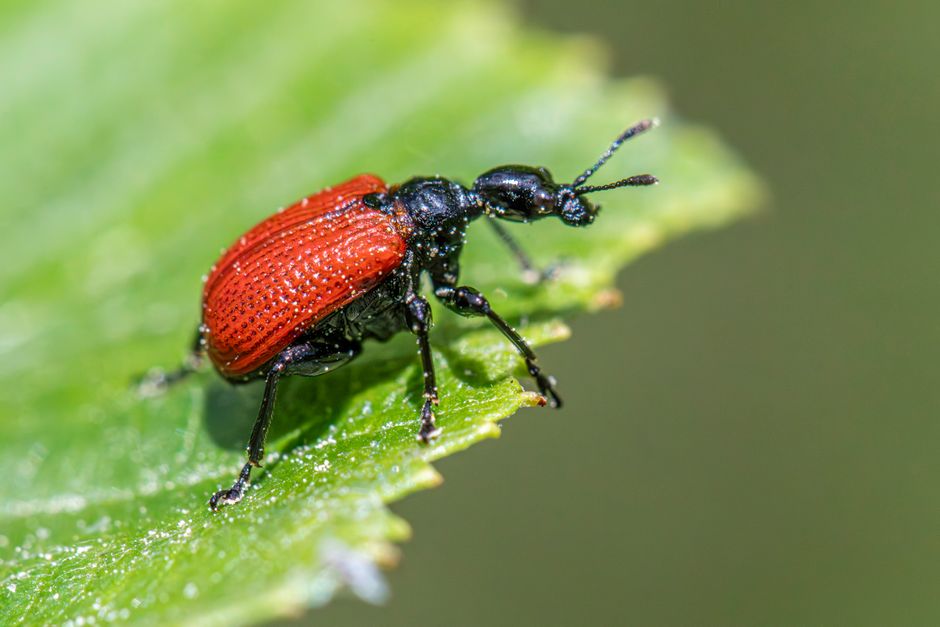
Different pests thrive in different conditions. Rodents such as rats and mice remain active throughout the year but become particularly problematic during colder months. Insects like wasps have clear seasonal peaks, whilst bed bugs maintain consistent activity regardless of outdoor temperatures. Understanding these patterns allows you to implement targeted prevention strategies at the right times.
Climate change has also begun affecting traditional pest cycles in the UK, with some species remaining active for longer periods or appearing earlier than expected. This makes year-round vigilance increasingly important for property owners and businesses.
Spring Pest Prevention Strategies
Spring marks the awakening of numerous pests from winter dormancy. As temperatures rise above 10°C, insects become active and rodents increase breeding activity. This season demands thorough inspection and preparation to prevent summer infestations.

Begin by conducting a comprehensive property inspection. Check your roof space, loft, and cavity walls for signs of rodent activity from winter. Look for droppings, gnaw marks, and nesting materials. Seal any gaps larger than a pencil width, as mice can squeeze through surprisingly small openings. Pay particular attention to areas where utility pipes enter your property.
Spring cleaning should include pest prevention measures. Remove clutter from gardens, sheds, and garages where pests might nest. Trim vegetation away from exterior walls, creating a clear barrier of at least 30 centimetres. Overgrown ivy and climbing plants provide excellent highways for rodents to access upper floors and roof spaces.
Inspect your property’s drainage systems and gutters. Standing water attracts mosquitoes and other insects, whilst blocked drains can harbour flies and cockroaches. Clear debris from gutters and ensure downpipes drain properly away from foundations.
This is also the ideal time to address any structural damage that winter weather may have caused. Damaged roof tiles, cracked rendering, or deteriorated weatherproofing can create entry points for pests. Repair these issues before they become access routes for unwanted visitors.
Summer Pest Control Measures
Summer brings peak pest activity across the UK. Wasps build nests, ants invade kitchens, flies multiply rapidly, and outdoor pests become increasingly bold. Proactive measures during these warmer months are essential for maintaining a pest-free environment.

Wasp nests develop rapidly during June, July, and August. Regularly inspect your property’s eaves, loft spaces, sheds, and garden structures for early nest development. Small nests are easier to address than established colonies housing thousands of wasps. Never attempt to remove large wasp nests yourself, as this poses serious safety risks. ProPest Oxford Ltd provides same-day appointments for wasp nest removal when you need urgent assistance.
Food waste management becomes critical during summer. Flies can complete their lifecycle in as little as seven days in warm conditions, meaning a small problem can escalate rapidly. Keep bins tightly sealed with lids, wash them regularly, and position them away from doors and windows. Compost bins should be properly maintained and positioned at least five metres from buildings.
Ants often invade properties seeking food and water during dry summer periods. Maintain scrupulous kitchen hygiene, wiping surfaces immediately after food preparation. Store food in sealed containers rather than cardboard packaging, which ants can easily penetrate. Identify and seal entry points for pests where you notice ant trails entering your property.
Windows and doors should have properly fitted fly screens if you enjoy natural ventilation during warm weather. These prevent flying insects from entering whilst allowing air circulation. Check screens regularly for damage and repair any tears promptly.
Garden maintenance plays a crucial role in summer pest prevention. Keep lawns trimmed and remove fallen fruit from beneath trees, as rotting produce attracts wasps and flies. Standing water in plant saucers, bird baths, or blocked drains provides breeding sites for mosquitoes, so empty these regularly.
Autumn Pest Proofing Tactics
Autumn represents a critical transition period for pest prevention. As temperatures decline, rodents and insects actively seek shelter indoors, making this the most important season for pest-proofing your property.

Rodent activity increases dramatically from September onwards. Rats and mice seek warm nesting sites to breed during winter months. A single pair of mice can produce up to 60 offspring annually, so preventing entry is far more effective than dealing with established infestations. Conduct a thorough external inspection of your property, looking for potential entry points.
Install metal kick plates on external doors, particularly those leading to storage areas, garages, or outbuildings. Rodents can gnaw through wood, plastic, and rubber, but metal provides an effective barrier. Check door sweeps and replace worn examples that leave gaps beneath doors.
Inspect ventilation bricks and air vents, ensuring they have intact metal mesh covers. These necessary openings for property ventilation can become rodent entry points if mesh deteriorates. Replace damaged vent covers immediately.
Loft spaces require particular attention during autumn. Check roof spaces for gaps where soffits meet walls, around pipe penetrations, and where different roofing materials join. Rodents are excellent climbers and will exploit any accessible entry point. Use expanding metal mesh foam or cement-based fillers for durable repairs.
Clear fallen leaves from gutters and drains to prevent blockages that could attract pests or cause water damage. Autumn leaf accumulation around property perimeters creates ideal harbourage for pests, so maintain clear zones around buildings.
Firewood storage often becomes a pest issue during autumn. Stack logs away from buildings on raised platforms to deter rodents from nesting. Only bring indoors the wood you intend to burn immediately, as stored timber can harbour insects and spiders.
Winter Pest Prevention Methods
Winter pest activity focuses primarily on rodents and insects already sheltering within properties. Prevention during these months centres on eliminating food sources, maintaining hygiene, and monitoring for signs of hidden infestations.

Heating creates warm microclimates within properties that attract pests. Rodents favour areas near boilers, hot water tanks, and central heating pipes. These warm zones encourage breeding even during winter months. Regular inspection of these areas helps detect problems early before populations expand.
Kitchen hygiene becomes particularly important during winter. Store cereals, flour, pasta, and other dried goods in sealed containers rather than their original packaging. Rodents and insects can easily access cardboard and plastic packaging, contaminating food supplies. Clean behind and beneath appliances where crumbs accumulate unnoticed.
Bed bugs, whilst not strictly seasonal, often become apparent during winter when people spend more time indoors. These persistent pests can survive months without feeding and hide in mattress seams, bed frames, and furniture crevices. Regular inspection and professional treatment are essential if you suspect bed bug presence.
Reduce humidity in properties to deter pests that thrive in damp conditions. Use extractor fans in bathrooms and kitchens, ventilate regularly, and address any condensation or damp issues promptly. Silverfish, house mites, and certain beetle species favour humid environments.
Storage areas such as lofts, basements, and garages should be organised to minimise pest harbourage. Avoid storing items directly on floors where possible, using shelving instead. Keep storage boxes sealed and clearly labelled, making inspections easier and reducing undisturbed areas where pests might nest.
Bird-proofing becomes relevant during winter as pigeons and other species seek sheltered nesting sites. Install appropriate deterrents on ledges, soffits, and other areas where birds might roost. Bird infestations can lead to secondary pest problems from mites and insects associated with nesting materials.
Professional Pest Control Services and Long-Term Prevention
Whilst seasonal prevention measures significantly reduce pest risks, professional expertise provides comprehensive protection and rapid response when problems arise. ProPest Oxford Ltd offers specialist services for homes, businesses, and commercial premises throughout Oxfordshire and East Sussex, addressing all common UK pests including rats, mice, wasps, and bed bugs.
Professional pest control services provide several advantages over DIY approaches. Experts possess detailed knowledge of pest behaviour, biology, and effective treatment methods. They can identify infestations at early stages when homeowners might miss subtle signs. Professional treatments use stronger, more effective products than those available to the public, applied safely according to strict regulations.
Same-day appointments and emergency call-outs ensure rapid response when urgent situations develop. Wasp nests near doorways, rodent infestations in food preparation areas, or bed bug discoveries in commercial accommodation cannot wait for scheduled appointments. Immediate professional intervention prevents health hazards and business disruption.
Long-term pest prevention programmes offer ongoing protection tailored to your property’s specific risks. Regular professional inspections identify potential problems before they develop into costly infestations. Seasonal treatments address pest cycles proactively rather than reactively.
Landlords have legal responsibilities to maintain pest-free properties and address infestations promptly. Professional pest control services provide documentation of treatments and preventative measures, demonstrating compliance with housing regulations. Business owners similarly benefit from professional certification and documentation, particularly important for food service establishments and hospitality venues.
Environmental factors and property characteristics determine individual pest risks. Older properties with traditional construction methods may have more potential entry points than modern builds. Rural locations face different pest pressures than urban areas. Professional assessments identify property-specific vulnerabilities and recommend targeted solutions.
Maintaining physical health through regular activity, as recommended by organisations like the NHS, can also support pest prevention efforts by keeping you active and alert to changes in your environment. Staying physically capable of performing maintenance tasks helps maintain pest-resistant properties throughout the year.
Conclusion
Effective pest prevention in the UK requires year-round vigilance adapted to seasonal pest patterns. Spring preparation, summer vigilance, autumn pest-proofing, and winter maintenance create comprehensive protection against the diverse pest challenges British properties face. Combining proactive seasonal measures with professional pest control services when needed provides the most reliable defence against infestations.
Whether you are a homeowner protecting your family, a landlord maintaining properties, or a business owner safeguarding your premises, understanding seasonal pest behaviour enables effective prevention. Regular property maintenance, good hygiene practices, and prompt action when problems arise minimise pest risks throughout the year.
ProPest Oxford Ltd provides expert assistance for all pest control needs across Oxfordshire and East Sussex. From emergency wasp nest removal to comprehensive rodent control programmes and bed bug treatments, professional services ensure rapid, effective solutions backed by experience and specialist knowledge. Protect your property through all seasons with appropriate prevention and professional support when you need it most.